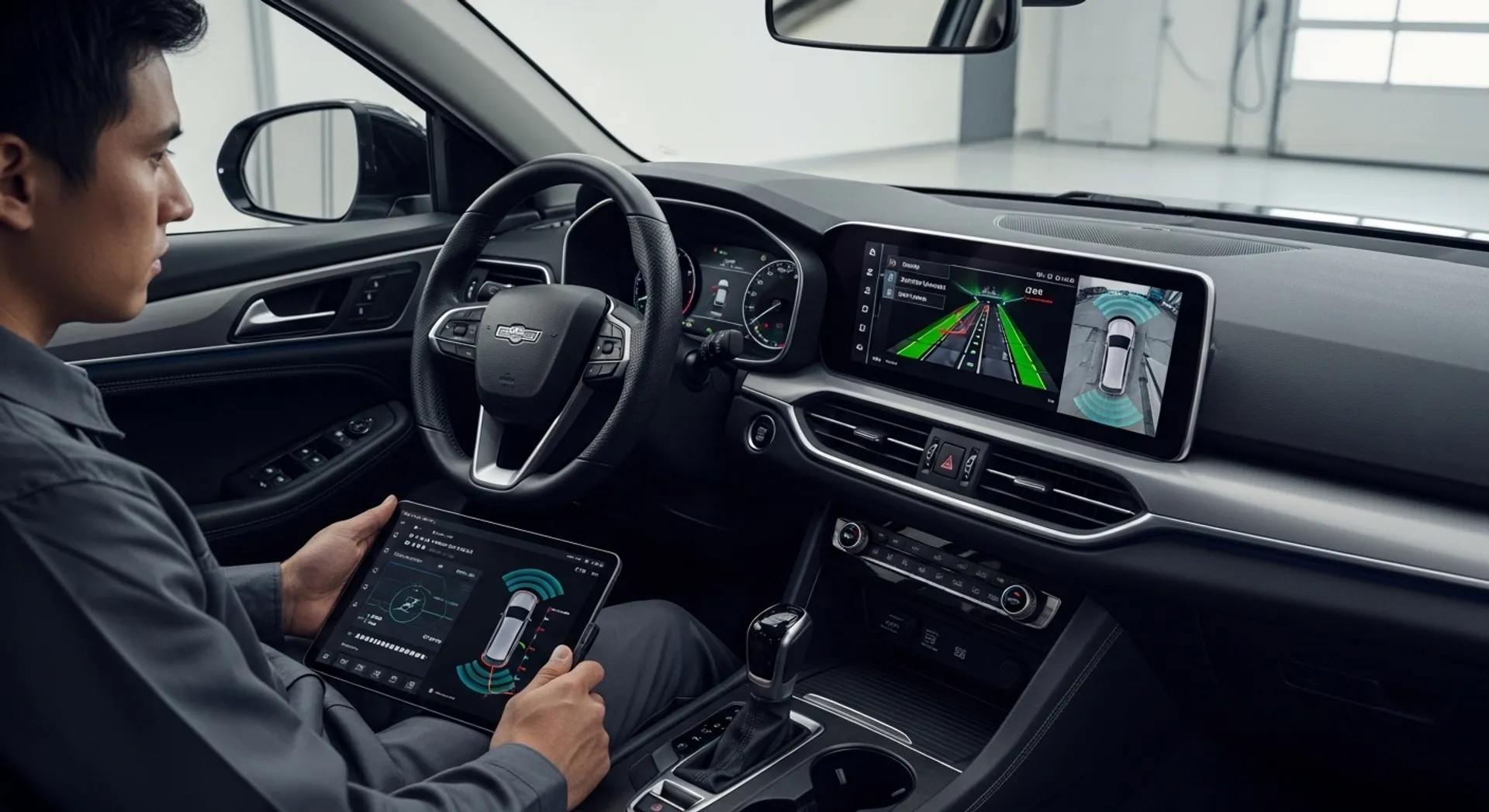
Modern vehicles are smarter than ever. From automatic emergency braking to lane departure warnings, advanced driver assistance systems — commonly known as ADAS — are now standard equipment on the vast majority of new cars sold in the United States. These life-saving technologies rely on cameras and sensors mounted behind the windshield and throughout the vehicle to monitor the road ahead. So what happens when you add window tinting to a car loaded with this safety technology?
If the wrong film is used or the installation is handled incorrectly, your ADAS features can malfunction, trigger false warnings, or stop working entirely. That is why ADAS-safe window tinting has become one of the most important considerations for vehicle owners in 2026. At ASC Automotive Styling, we help drivers get the comfort and protection of tinted windows without sacrificing the safety systems their vehicles depend on.
What Is ADAS and Why Does It Matter for Window Tinting?
ADAS stands for Advanced Driver Assistance Systems. These are electronic features built into your vehicle that assist with driving and help prevent accidents. Common ADAS features include adaptive cruise control, forward collision warning, automatic emergency braking, lane departure warning, lane keeping assist, traffic sign recognition, and automatic high beams. According to the Insurance Institute for Highway Safety (IIHS), vehicles equipped with front crash prevention systems cut rear-end collisions in half compared to vehicles without these technologies.
The critical component behind most ADAS features is a multi-function camera mounted at the top center of the windshield, usually behind the rearview mirror. This camera needs a completely unobstructed and optically clear view of the road to function properly. Any film, coating, or material placed between the camera and the road surface can alter how the system reads lane markings, detects objects, and measures distances.
This is where ADAS-safe window tinting becomes essential. The wrong type of tint film can interfere with the wavelengths of light the camera relies on, block infrared signals used by certain sensors, or simply reduce the clarity needed for the system to detect obstacles in low-light or bad weather conditions. Nearly nine out of ten 2023 and newer vehicles require full ADAS recalibration after any windshield service — and adding the wrong tint film can create the same kind of disruption.
Which Tint Films Are Safe for ADAS-Equipped Vehicles?
Not all window tint films are created equal, and the differences become critically important when ADAS is involved. Here is how the main types of tint film compare in terms of sensor compatibility.
Ceramic Window Tint
Ceramic tint is the gold standard for ADAS-equipped vehicles. It uses microscopic ceramic particles — not metals or dyes — to block solar heat and UV rays while maintaining exceptional optical clarity. Because ceramic tint contains no metallic components, it does not interfere with electronic signals, camera readings, or radar frequencies. Premium nano-ceramic films can reject more than 90% of infrared heat and block up to 99% of harmful UV rays, all while maintaining a high visible light transmission (VLT) rating. This makes them the ideal choice for drivers who want comfort and protection without compromising their vehicle’s safety technology.
Metallic and Metalized Tint
Metallic tint films contain tiny metallic particles that reflect heat and UV radiation. While effective at heat rejection, these films are not recommended for ADAS-equipped vehicles. The metal content can block or distort the electronic signals used by cameras, radar systems, and sensors. Some manufacturers, including Tesla and BMW, specifically warn against installing metallic tints in their service documentation, and doing so can potentially void warranty coverage on ADAS components.
Dyed and Hybrid Tint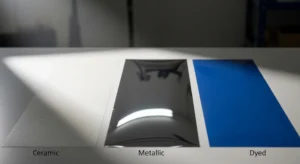
Dyed films are the most affordable option and do not contain metal, so they generally will not interfere with electronic signals. However, they offer significantly less heat rejection and tend to fade over time, which can reduce optical clarity for ADAS cameras. Hybrid films combine dyed and metallic layers — and the metallic content, even in smaller amounts, can still cause problems with sensitive ADAS sensors. For modern vehicles, dyed and hybrid films should be approached with caution.
The Windshield Tinting Challenge
Tinting the windshield presents the greatest challenge because the primary ADAS camera sits directly behind it. Many states restrict windshield tinting to a narrow band at the top — typically above the manufacturer’s AS-1 line or the top five inches of the glass. Even within these legal boundaries, the type of film used on or near the windshield matters enormously.
Clear or nearly clear ceramic windshield films have become increasingly popular for this reason. These films allow 70% or more visible light to pass through while still rejecting a significant amount of infrared heat and UV radiation. They provide meaningful cabin comfort without darkening the windshield or impeding the camera’s field of vision. For vehicle owners who want full windshield protection, clear ceramic film is the safest option for maintaining ADAS performance.
It is also worth noting that automakers like BMW and Mercedes have released service bulletins stating that aftermarket windshield modifications — including tint — can void warranty coverage on ADAS components if the modification interferes with sensor operation. This makes professional installation and proper film selection not just a safety concern but a financial one as well.
Why Professional Installation Is Non-Negotiable
When it comes to tinting an ADAS-equipped vehicle, professional installation is not optional — it is essential. A qualified tint installer who understands ADAS technology will follow a process that protects both your vehicle’s appearance and its safety systems.
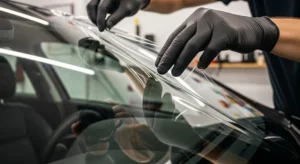
Before any film is applied, the installer should identify all camera and sensor locations on the vehicle and verify that the ADAS systems are functioning properly. This baseline check ensures that any post-installation issues can be identified immediately. During installation, the film must be precisely cut and applied to avoid covering or obstructing any camera zones. After the film is applied, all ADAS features should be tested again to confirm they are operating as expected.
At ASC Automotive Styling, our technicians are trained to work with the latest vehicles and the most advanced tint films available. We understand how ADAS cameras and sensors interact with different film types, and we select products specifically designed for compatibility with modern driver assistance technology. If you are considering tinting your vehicle, our team can guide you to the right solution. Learn more about the differences between installation methods in our blog post on DIY vs. professional window tinting.
How to Know If Your Vehicle Has ADAS
If your vehicle was manufactured after 2018, there is a strong chance it includes at least some ADAS features. By the end of 2022, automakers representing 99% of the U.S. new car market had committed to making automatic emergency braking standard on all light-duty vehicles. The National Highway Traffic Safety Administration (NHTSA) has continued to expand safety reporting requirements for these systems, and a new federal rule will require all light vehicles to include automatic emergency braking by September 2029.
To check whether your specific vehicle is ADAS-equipped, look for a small camera housing mounted near the rearview mirror on the inside of the windshield. You can also check your owner’s manual for references to features like forward collision alert, lane assist, adaptive cruise control, or automatic high beams. If your vehicle has any of these features, you need to ensure that any window tinting is fully compatible with those systems.
What to Ask Your Tint Installer Before Booking
Choosing the right installer is just as important as choosing the right film. Before you commit to any tint appointment, ask these key questions to ensure your ADAS systems will remain fully functional.
Ask whether the installer has experience tinting ADAS-equipped vehicles and whether they test safety features before and after installation. Confirm that they use ceramic or non-metallic film specifically rated for sensor compatibility. Ask about the visible light transmission (VLT) percentage of the film — for windshield applications, a minimum of 70% VLT is typically required to maintain camera function and comply with state laws. Finally, check whether the installer offers a warranty and whether it covers ADAS-related issues.
A reputable installer will welcome these questions and provide clear, confident answers. If the shop cannot explain how their film interacts with your vehicle’s ADAS technology, it is best to look elsewhere. At ASC Automotive Styling, we encourage every customer to ask these questions, and we are always transparent about the products and techniques we use. Visit our electronics services page to see how we integrate modern vehicle technology with our styling solutions, or browse our reverse sensors page for more information on sensor-related installations.
Protect Your Safety and Your Style
Window tinting remains one of the most popular and practical vehicle upgrades available. It reduces heat, blocks harmful UV radiation, enhances privacy, and improves the overall look of any vehicle. But in 2026, tinting is no longer just about aesthetics — it is a decision that directly impacts how well your vehicle’s safety systems perform.
By choosing ADAS-safe ceramic tint film and working with a qualified professional installer, you can enjoy all the benefits of window tinting without putting yourself or your passengers at risk. The technology exists to have both comfort and safety — you just need to make sure the right products are used by the right people.