If you have ever invested in protecting your vehicle’s paint, you have probably heard of ceramic coatings. They revolutionized the auto detailing world when they first appeared in the early 2010s, offering a durable shield that outperformed traditional wax by a wide margin. Now, a newer and more advanced option is taking the industry by storm — graphene ceramic coating. This next-generation technology blends the proven foundation of ceramic chemistry with the extraordinary properties of graphene, one of the strongest materials ever discovered.
But is graphene ceramic coating truly better than traditional ceramic, or is it just marketing hype? At ASC Automotive Styling, we believe informed customers make the best decisions. In this guide, we break down how each coating works, what makes them different, and which one is the best choice for your vehicle in 2026.
What Is Ceramic Coating and How Does It Work?
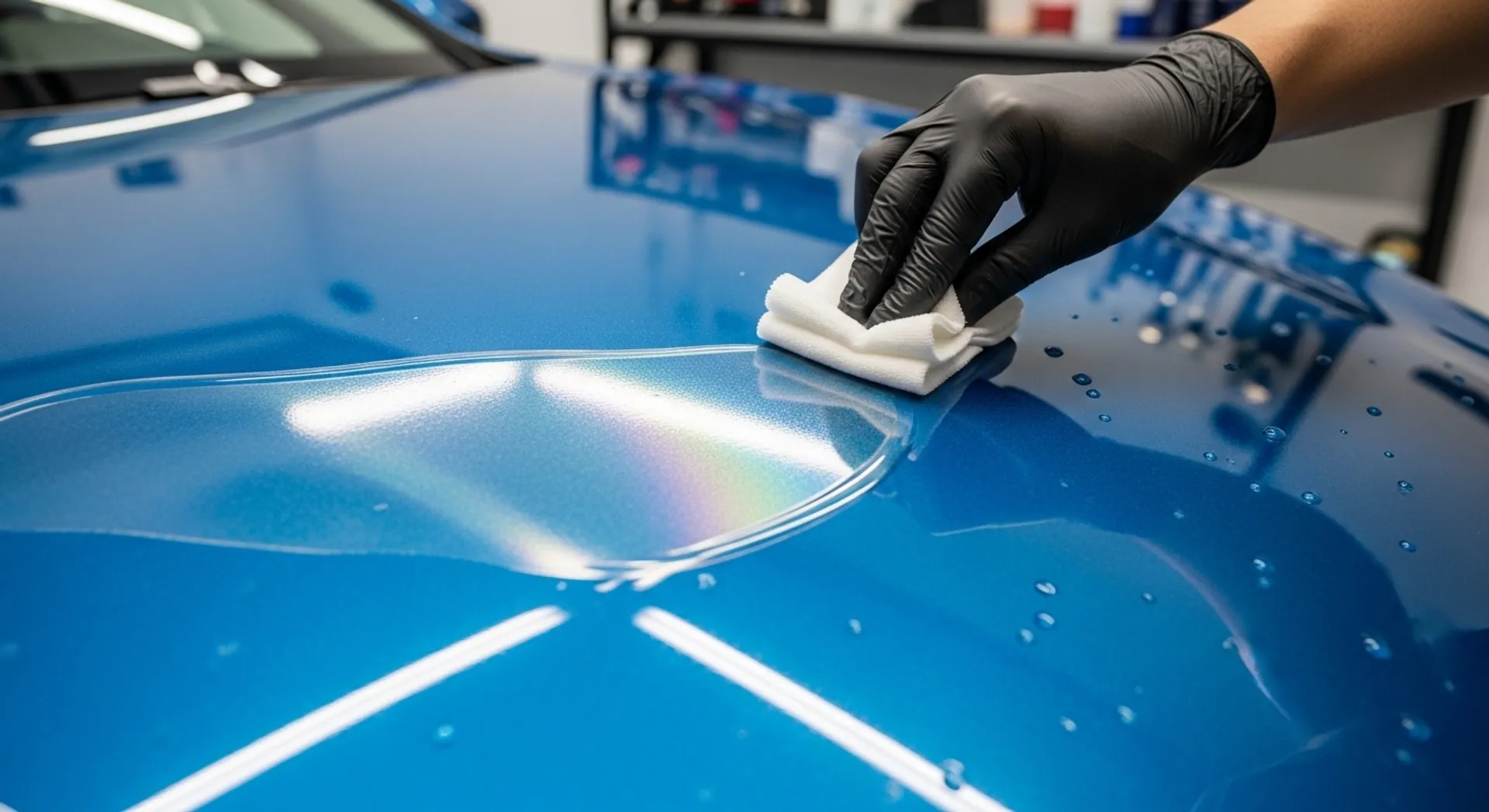
A traditional ceramic coating is a liquid polymer composed primarily of silicon dioxide (SiO2), commonly known as Silica. When applied to your vehicle’s exterior and allowed to cure, it forms a semi-permanent bond with the clear coat. This creates a hard, transparent, hydrophobic layer that repels water, dirt, and contaminants while enhancing gloss.
Ceramic coatings became popular because they last significantly longer than wax — typically two to five years with proper care. They also provide meaningful protection against UV rays, oxidation, bird droppings, tree sap, and chemical stains. However, they are not scratch-proof, and traditional ceramic formulas are known to retain heat on the surface, which can contribute to stubborn water spots in hot weather.
Professional-grade ceramic coatings generally cost between $1,000 and $2,500 for a full application, depending on the vehicle’s size and condition. This includes thorough paint correction and surface preparation before the coating is applied, which is critical for achieving long-lasting results.
What Is Graphene Ceramic Coating?
A graphene ceramic coating builds on the SiO2 ceramic foundation by incorporating graphene — a single layer of carbon atoms arranged in a hexagonal honeycomb lattice. Graphene was first isolated in 2004 by researchers at the University of Manchester, and it is roughly 200 times stronger than steel while being incredibly thin and lightweight.
When grafted onto the ceramic polymer backbone, graphene enhances nearly every performance characteristic of the coating. The result is a product that bonds to your paint at the molecular level, creating a shield that is harder, more durable, and more resistant to environmental damage than traditional ceramic alone.
The first consumer-available graphene coatings hit the market in 2020, and since then, the technology has matured rapidly. Leading brands now offer formulas that deliver verified 10H hardness ratings, five to seven years of protection, and significantly improved resistance to water spotting — one of the most common complaints about traditional ceramic coatings.
Key Differences Between Graphene and Ceramic Coatings
Understanding the specific differences helps you decide which coating suits your vehicle, your driving habits, and your budget. Here is how they compare across the categories that matter most.
Durability and Longevity
Traditional ceramic coatings typically last between two and five years under normal driving conditions. Graphene ceramic coatings extend that lifespan to five to seven years — and some professional-grade formulas are warrantied for even longer. The molecular structure of graphene makes the coating more resistant to degradation from UV exposure, chemical contaminants, and daily wear and tear. This means fewer reapplications over the life of your vehicle and a lower long-term cost of ownership.
Water Spot Resistance
This is where graphene coatings truly separate themselves. Traditional ceramic coatings tend to retain heat on the surface, which causes water to evaporate and leave behind mineral deposits — those frustrating water spots that can etch into the coating over time. Graphene’s superior heat dissipation keeps the surface cooler, allowing water to bead and slide off before it has a chance to dry and leave marks. For vehicle owners in hot, sunny climates, this advantage alone can be worth the upgrade.
Hydrophobic Performance
Both coatings create a hydrophobic surface, but graphene takes it further. Graphene coatings achieve higher contact angles, meaning water forms tighter beads and rolls off the surface more quickly. This enhanced water repellency keeps your vehicle cleaner between washes and makes maintenance far easier. The slickness factor of a quality graphene coating is noticeably superior when you run your hand across the surface.
Anti-Static Properties and Dust Repulsion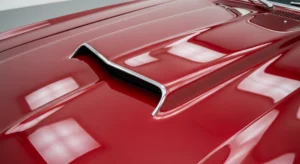
One of graphene’s unique advantages is its natural conductivity, which gives it anti-static properties. This means the coated surface attracts less dust and fewer airborne particles. Your vehicle stays visibly cleaner for longer between washes. Traditional ceramic coatings do not offer this benefit, so dust accumulation can make the car look dirty more quickly — even though the surface is technically still protected.
Gloss and Depth of Shine
Both coatings enhance your paint’s appearance, but most detailing professionals and car owners report that graphene coatings produce a slightly deeper, more mirror-like finish. The nanoparticle graphene layer adds a rich clarity that makes colors appear more vivid. That said, the biggest contributor to final appearance is still proper paint correction and preparation before any coating is applied. A coating enhances what is already there — it does not fix swirl marks, scratches, or oxidation.
Cost Comparison: Is Graphene Worth the Extra Investment?
DIY graphene coating kits generally retail between $70 and $100 for a 30ml bottle, which is enough for a mid-sized vehicle. Traditional ceramic coating kits are slightly less expensive, ranging from $50 to $90 for the same quantity. For professional installation, expect to pay $1,000 to $2,500 or more for either option, with graphene-based services sometimes commanding a modest premium.
However, when you factor in graphene’s longer lifespan and reduced maintenance needs, the total cost of ownership is often lower over a five-to-seven-year period. Fewer reapplications, fewer washes, and better protection against water spot damage all contribute to real savings. For high-value vehicles or daily drivers that see a lot of road time, graphene ceramic coating is a sound investment in long-term paint preservation and resale value.
Who Should Choose Graphene Ceramic Coating?
While both options offer excellent protection, graphene ceramic coating is especially well-suited for certain situations.
Owners of luxury, exotic, or high-value vehicles will benefit from the premium level of protection and the enhanced visual depth. Drivers in hot, sunny climates gain a major advantage from graphene’s heat dissipation and water spot resistance. Anyone who wants to minimize maintenance will appreciate the anti-static dust repulsion and longer intervals between washes. Vehicle owners planning to keep their car for several years will see the best return on a longer-lasting coating.
That said, traditional ceramic coating remains an excellent and proven option for budget-conscious vehicle owners or for those who prefer a well-established product category. Both represent a significant upgrade over wax or sealant-based protection.
Professional Application Makes All the Difference
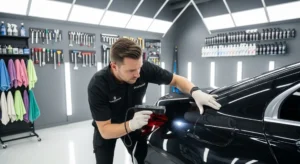
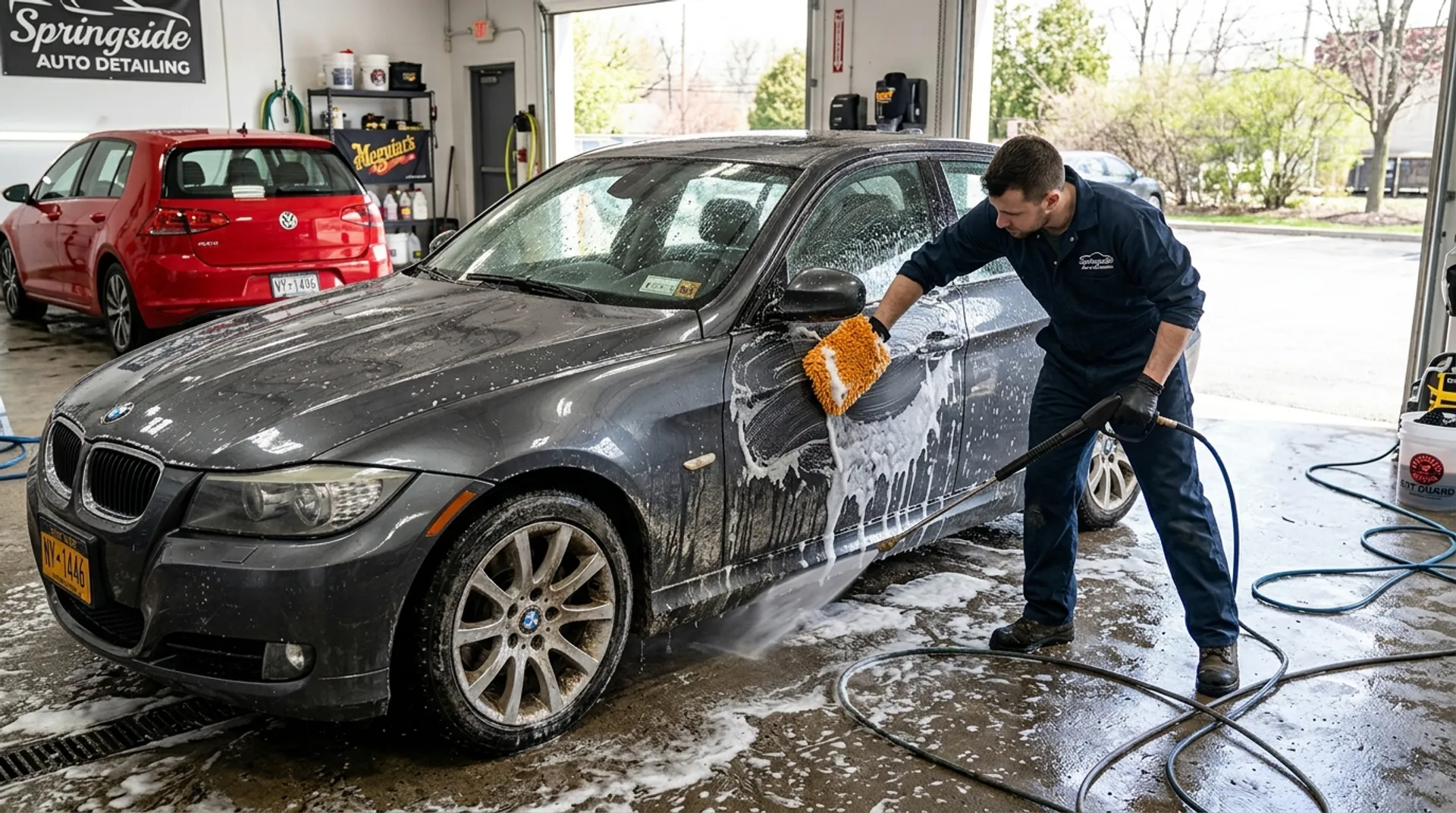
Regardless of which coating you choose, professional installation is strongly recommended. The preparation process — which includes thorough washing, clay bar decontamination, paint correction, and surface degreasing — is what determines how well the coating bonds and how long it lasts. A poorly prepped surface will compromise even the most advanced coating formula.
At ASC Automotive Styling, our experienced technicians follow a meticulous multi-step process to ensure your vehicle’s paint is flawless before any coating is applied. We use professional-grade products and techniques to deliver results that DIY kits simply cannot match. Whether you choose traditional ceramic or graphene ceramic coating, our team ensures the finish is showroom-quality and built to last.
Ready to explore the best coating option for your vehicle? Visit our trim and upholstery page to see our full range of interior and exterior protection services, or browse our electronics upgrades to complement your vehicle’s new finish with the latest technology.
Maintaining Your Graphene or Ceramic Coating
Proper aftercare is essential for maximizing the life of any protective coating. Here are the key maintenance practices recommended by detailing professionals and manufacturers like Chemical Guys.
Always hand-wash your vehicle using a pH-neutral car shampoo that is free of wax and fillers. Avoid automatic car washes with spinning brushes, as they can cause micro-scratches that degrade the coating over time. Dry the vehicle with clean microfiber towels or a filtered air blower to prevent water spots. Apply a compatible maintenance spray or ceramic boost product every few months to refresh the hydrophobic layer and extend the coating’s performance. Wash your vehicle at least every two weeks to prevent contaminants from bonding to the surface.
Following these simple steps will keep your coating performing at its peak and your vehicle looking its absolute best for years to come.
Final Verdict: Graphene Ceramic Coating Is the Future
The automotive protection industry is evolving rapidly, and graphene ceramic coating represents the cutting edge of that evolution. With superior durability, better heat management, enhanced hydrophobic performance, and anti-static dust repulsion, it outperforms traditional ceramic coatings in nearly every measurable category. The evidence from industry leaders like IGL Coatings continues to validate graphene as a meaningful upgrade, not just a buzzword.
Whether you drive a daily commuter or a weekend show car, protecting your paint is one of the smartest investments you can make. At ASC Automotive Styling, we are committed to helping you choose the right solution and delivering flawless results every time.