Why Retro-Modern Is the Most Exciting Trend in Car Styling Right Now
There is a reason the most shared vehicles at car meets in 2026 are not always the newest models. While technology-forward cars continue to push boundaries in performance and connectivity, a growing number of enthusiasts are drawn in a different direction — toward something that feels rarer, more personal, and more emotionally resonant than anything rolling off a contemporary assembly line.
Retro-modern car styling is the art of combining what made classic vehicles visually iconic with the materials, technology, and finish quality available today. It is not about choosing between old and new. It is about understanding which elements of each era are genuinely excellent and pairing them deliberately. The result — when done well — is a vehicle that looks like it could have been built by a designer who somehow had access to both a 1968 factory and a 2026 parts catalog.
The trend has powerful momentum. Car and Driver’s coverage of the best retro-modern restomods of 2026 confirms that since the start of the year, new examples are emerging almost daily — from high-end specialist builders producing six-figure commissions to everyday enthusiasts refreshing their own vehicles with carefully chosen retro-influenced touches. Whether you own a classic that needs modernizing or a modern car that deserves a more characterful aesthetic, the retro-modern approach offers one of the richest and most satisfying paths through the customization world.
The Core Elements of Retro-Modern Styling
Understanding retro-modern styling means knowing which visual and material elements from the classic era are worth preserving — and which modern upgrades complement rather than contradict them. The best builds share a handful of consistent principles.
Vintage color palettes with modern finishes
Classic era paint colors were extraordinary — deep British Racing Green, rich Burgundy, warm Champagne Gold, two-tone combinations of Cream over Black, and the distinctive pastels of the late 1950s and early 1960s. These colors have not aged; they have only become rarer on modern roads, which makes them more striking today than they were when they were standard.
The difference between a vintage color applied in 1965 and the same hue executed today is finish depth and durability. Modern single-stage and basecoat-clearcoat systems, combined with premium vinyl wraps in period-inspired colors, deliver those classic hues with a surface quality and longevity that original lacquers simply could not match. A correctly specified retro color, applied with contemporary materials and technique, is simultaneously nostalgic and unmistakably premium.
Chrome trim — used deliberately
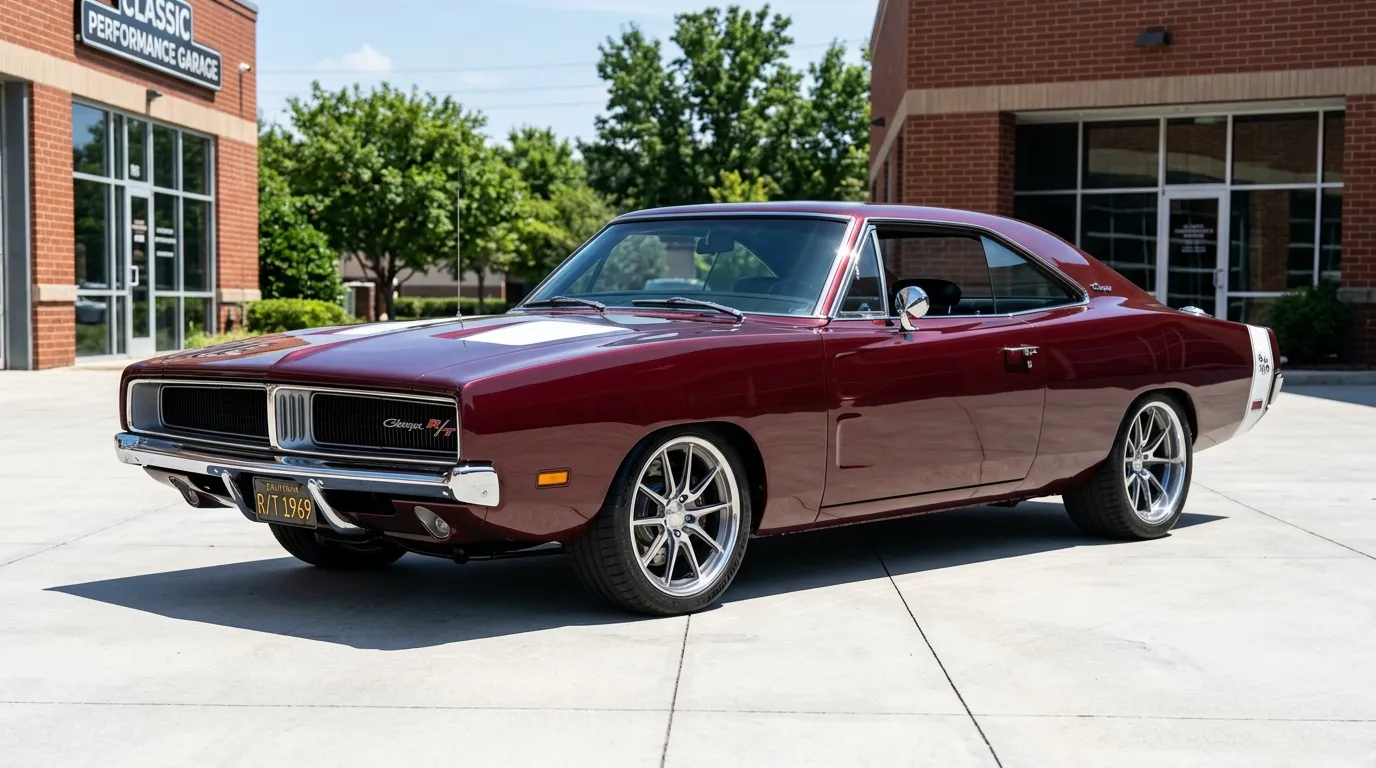
Chrome is one of the defining details of mid-century automotive design — bumpers, window surrounds, grille inserts, door handles, and badge surrounds all gleamed with it. In retro-modern styling, chrome is not eliminated the way it often is in purely contemporary builds. Instead, it is curated. Bumpers and accent trim might retain their chrome finish while mirror caps and door handles receive a brushed or satin treatment, creating a deliberate contrast between period-authentic elements and modern restraint. The result feels intentional in a way that either full chrome or full blackout alone rarely achieves.
Classic badges and heritage branding
Automotive badges carry an enormous amount of cultural weight, and the classic-era scripts, emblems, and crests are often far more beautiful than anything produced in the era of aerodynamic logos. Retro-modern builds frequently feature restored or reproduction period-correct badges alongside the VIN plate and compliance stickers required on any road-going vehicle — a quiet acknowledgment that the car honors its lineage without pretending to be something it is not.
Exterior Upgrades That Define the Retro-Modern Look
The exterior is where retro-modern styling makes its first impression, and there are several upgrade categories that consistently deliver the most impactful results.
Vinyl wraps in period-inspired colors
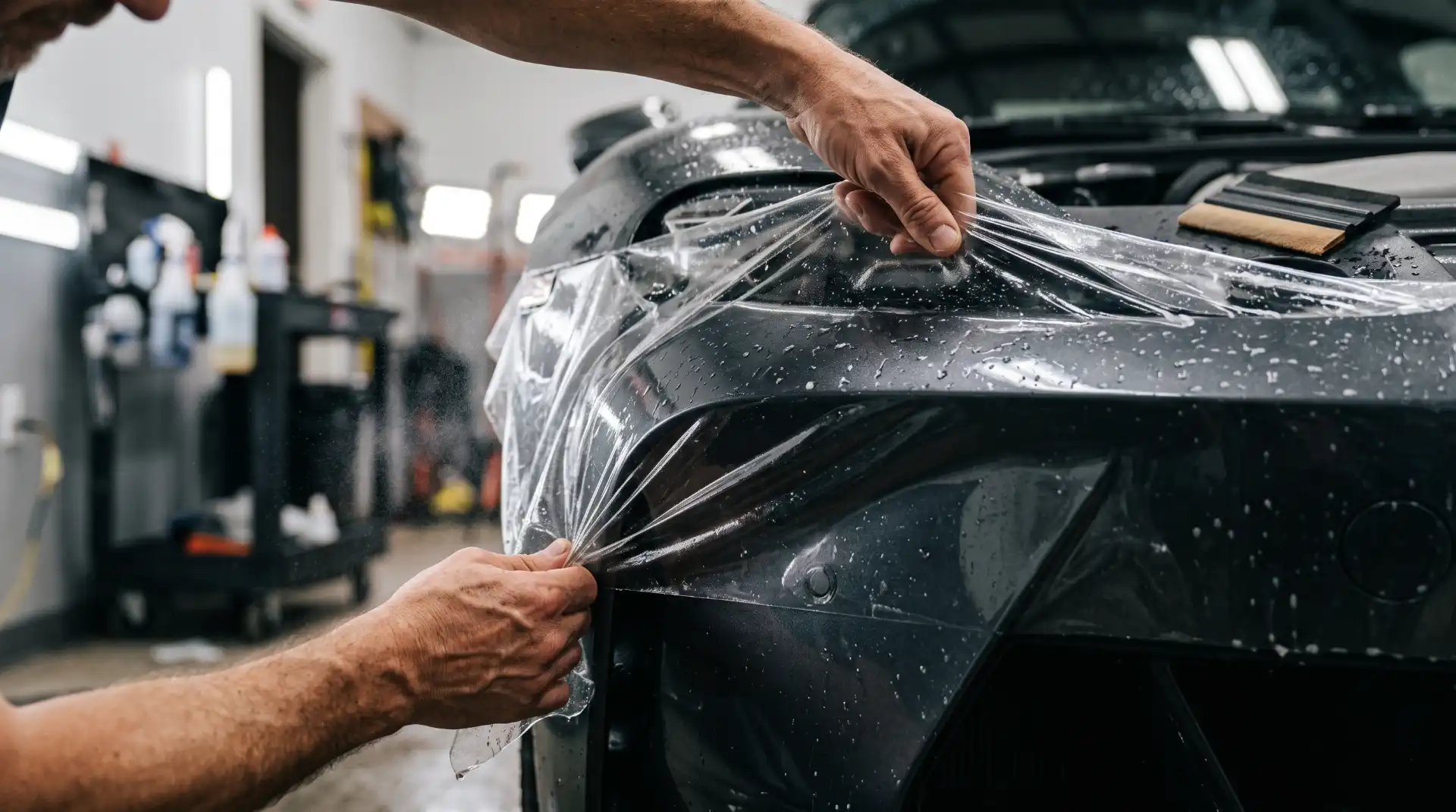
For owners who want to introduce a vintage color without committing to a full respray, high-quality vinyl wraps in period-inspired palettes are the most practical and reversible route. A modern SUV or sedan wrapped in a deep Forest Green satin or a two-tone Ivory over Black instantly reads as retro-influenced while retaining the clean panel lines and proportions of a contemporary vehicle. The wrap protects the original paint beneath, and the finish can be changed entirely if your tastes evolve — something no paint job can offer. The full range of what is possible with premium vinyl work is explored in our guide to the benefits of professional vehicle wrapping.
Blacking out or selectively restoring chrome
One of the most defining decisions in retro-modern exterior styling is how to handle chrome and brightwork. A full chrome-delete in gloss or satin black is a purely contemporary look. Retaining all original chrome is a purely vintage look. The retro-modern approach lives between those two positions — keeping chrome where it has strong visual heritage value (bumpers, grille surrounds, window trim) while applying satin or matte treatments to secondary pieces like mirror caps, door handles, and badge surrounds. Our team has covered the full spectrum of blacking out services and matte transformation options for those looking to get the balance exactly right.
Roof treatments and accent wraps
Two-tone paint schemes were a signature of classic automotive design, and a contrasting roof section is one of the easiest ways to introduce that language onto any vehicle. A gloss black or deep body-color-contrasting roof wrap — whether executed as a true panoramic-style panel or as a simple full-roof treatment — immediately shifts a car’s visual character toward something more considered and period-influenced. For a detailed look at what a roof wrap can achieve, our article on panoramic roof wraps and the glass roof effect covers the options thoroughly.
Wheels and stance
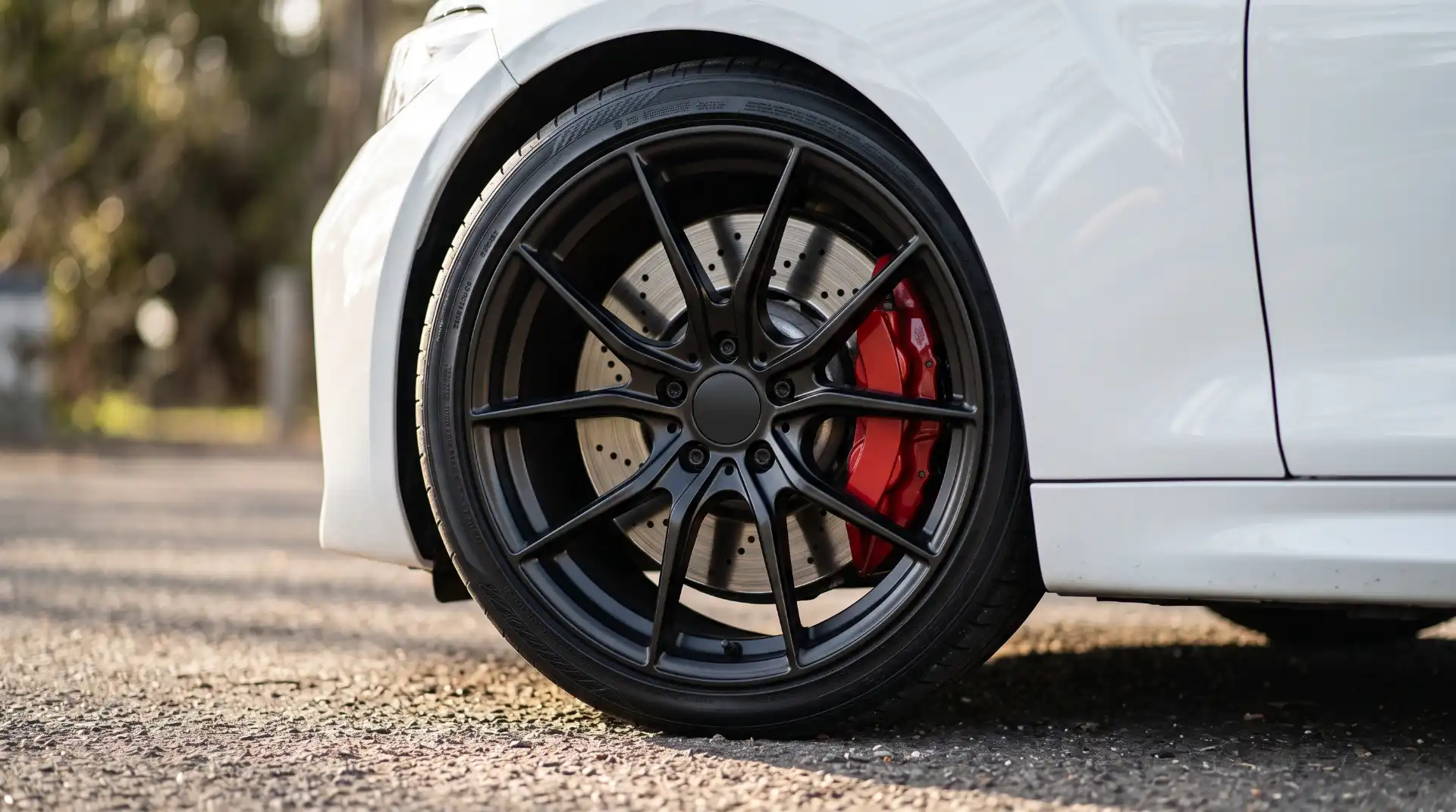
Wheel choice is one of the most consequential decisions in any retro-modern build. The classic era produced some of the most beautiful wheel designs in automotive history — five-spoke Minilites, deep-dish Torq-Thrust patterns, finned aluminum drums — and modern reproductions of these designs in forged aluminum combine period-correct aesthetics with the structural integrity, sizing options, and finish quality that original steel wheels or early alloys could never offer. Paired with a modest suspension drop and period-correct tire profiles, the right wheel choice transforms a car’s proportions and stance as powerfully as any body modification.
Interior Upgrades That Complete the Retro-Modern Experience
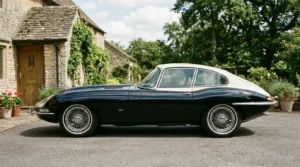
A retro-modern exterior that opens onto a stock modern or worn-out original interior is a missed opportunity. The cabin is where driver and car spend all their time together, and the interior is where retro-modern styling can deliver its most personal and lasting impact.
Custom leather upholstery in period-appropriate styles
Classic car interiors featured rich leather in warm, bold colors — Saddle Tan, Oxblood Red, British Tan, and deep Navy were all standard palette entries that modern vehicles almost never offer from the factory. A custom leather interior in a period-inspired color, executed with contrasting stitching in a heritage pattern — such as a diamond-quilt or vertical pleat — transforms any cabin into something that feels genuinely special rather than merely expensive. Our custom leather interior service covers the full range of options, from single-color refits to full two-tone builds with bespoke stitching and piping details. Browsing the leather catalogues is the best starting point for finding a color and grain that honors the classic era while meeting modern durability standards.
Analog instruments and heritage dash details
Nothing communicates the retro-modern philosophy more directly than a beautifully executed instrument cluster. Classic gauge design — large, round dials, clear typography, white-on-black or black-on-cream faces — has an immediate warmth and legibility that modern digital displays frequently cannot match. Retro-modern builds often retain or restore original instrument clusters while integrating modern electronic internals behind period-correct faces, or they incorporate aftermarket analog gauges that echo classic design language while delivering precise modern data.
Modern convenience, hidden from view
The retro-modern interior is not about rejecting modern technology — it is about integrating it without letting it dominate the aesthetic. A discreetly mounted touchscreen in a custom-fabricated housing that echoes the proportions of an original radio. Heated seat elements fitted beneath period-correct upholstery, controlled by switches that match the original interior’s hardware finish. Bluetooth connectivity routed through a vintage-look head unit. These integrations preserve the emotional atmosphere of the original interior while delivering the convenience that modern daily driving demands. For vehicles where seat comfort is being addressed as part of a broader retro-modern interior refresh, our seat comfort upgrades cover heating, cooling, and ergonomic support options that can be seamlessly incorporated into any upholstery project.
Working With a Professional Styling Team
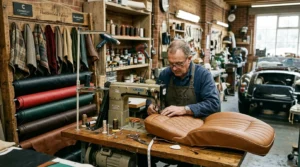
The retro-modern approach, precisely because it blends two distinct design vocabularies, rewards careful planning and experienced execution more than almost any other styling direction. The decisions that make a retro-modern build feel considered and cohesive rather than confused or arbitrary are often subtle ones — the right shade of chrome against the right body color, the correct leather grain weight for a particular seat style, the precise proportion of a roof accent against a two-tone body.
Starting with a clear reference
The most successful retro-modern builds begin with a clear visual reference for the period being drawn from. Whether that is the clean Americana of a late-1950s hardtop, the sporting aggression of a 1960s European GT, or the muscular confidence of a 1970s North American V8 car, anchoring the build in a specific era prevents the result from feeling generic. Gather reference images, note the specific colors, trim treatments, and interior details that resonate most strongly, and bring those references into your consultation with your styling team.
Planning the sequence of modifications
Retro-modern builds almost always involve multiple systems — exterior finish, chrome treatment, wheels, interior upholstery, and electronics. Planning the sequence in which these are addressed matters both practically and aesthetically. Interior work completed before an exterior color decision is finalized, for example, can result in combinations that clash when everything is seen together for the first time. Working through a planned sequence with your styling team — exterior first, then interior, then electronics integration — produces a more coherent and satisfying result.
At ASC, our trim and upholstery team has been working on custom, restoration, and restyling projects since 1955, with experience spanning classic vehicles, daily drivers, and everything in between. Whether you are starting from a classic that needs a complete transformation or a modern vehicle that deserves a more characterful personality, the retro-modern approach is one of the most rewarding directions available — and we can help you navigate every decision from concept to finished result.