The Comfort Feature That Changes Every Drive
Step into a cold car on a January morning in British Columbia and the difference between a seat that warms up in two minutes and one that stays cold until the engine reaches operating temperature is immediately and viscerally apparent. Step out of a car after an hour-long summer drive in a ventilated seat and step into one without it — the distinction is just as obvious. Heated and ventilated seats are not subtle upgrades. They are among the most consistently appreciated comfort features in any vehicle, and drivers who have them rarely want a car without them again.
The challenge is that these features have historically been locked behind specific trim levels or premium packages — features you either paid for at the dealership or learned to live without. That is no longer the whole story. Professional aftermarket seat heating and ventilation retrofit installations bring these features to vehicles that never had them from the factory, at a cost that makes far more financial sense than trading in a vehicle you otherwise love just to get warmer seats in winter.
This guide is designed to help you make a clear-eyed decision: whether a heated or ventilated seat retrofit is the right upgrade for your specific vehicle, what the installation actually involves, and what separates a quality installation from a shortcut that creates more problems than it solves.
Heated Seats vs. Ventilated Seats: Understanding the Difference
These two features are frequently grouped together — and they do share the same seat as their home — but they work on entirely different principles and address entirely different comfort problems. Understanding the distinction helps you choose the right upgrade for your climate and driving habits.
How heated seats work
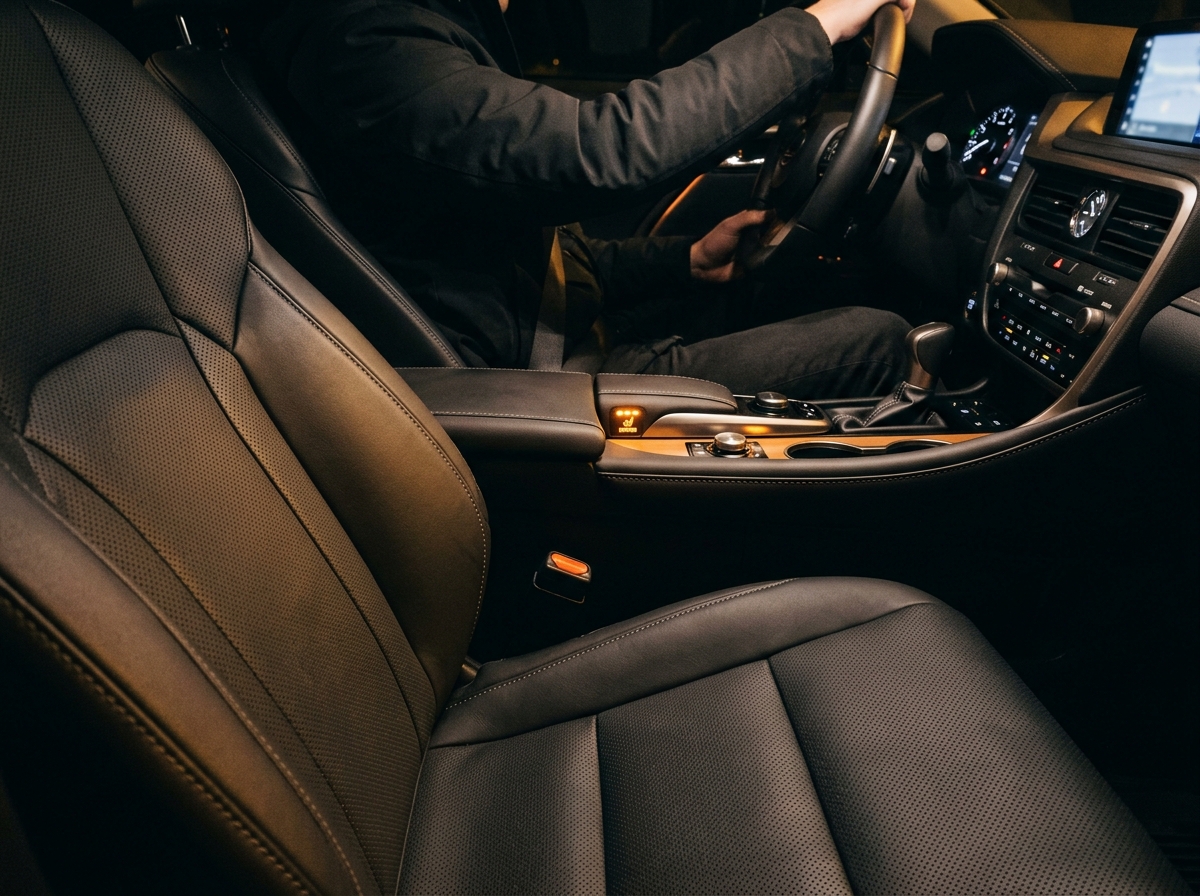
Heated seats use a thin, flexible heating element installed beneath the seat’s upholstery surface. When activated, the element warms rapidly — a quality carbon fibre heating element reaches a comfortable temperature within two to three minutes — and the heat transfers through the upholstery surface to the occupant’s back and legs. A high/low switch allows the occupant to set the heat level to their preference. The system draws power from the vehicle’s electrical system and operates completely independently of the climate control system — meaning the seat warms up even before the engine has had time to heat the cabin air.
Carbon fibre heating elements — the type used in ASC’s seat comfort installations — offer the best quality in heat distribution and all-over temperature consistency compared to wire-element alternatives. They warm more evenly, have a lower failure rate, and are thinner, which means they add less bulk under the upholstery and preserve the seat’s original contour and feel.
How ventilated seats work
Ventilated seats are fundamentally different. Rather than generating heat, they circulate air through the seat to prevent the heat buildup that occurs when a person sits in a vehicle on a warm day. A small fan draws air through perforations in the seat surface — either drawing it through from the cabin or pushing it upward from within the seat — creating a constant flow that significantly reduces the temperature at the contact point between the occupant and the seat. As Kelley Blue Book explains in its guide to ventilated versus cooled seats, ventilated seats pull in ambient air along with body heat through perforations in the seat — the result is a noticeably cooler, drier seating experience without the refrigerated-air system that true “cooled” seats use. For most driving conditions in British Columbia, ventilated seats deliver meaningful summer comfort at a realistic aftermarket price point.
Which do you actually need?
The honest answer is that most drivers in BC benefit from both, and the most practical approach is to address heating and ventilation in the same installation if the budget allows. Heated seats deliver their benefit for roughly six months of the year — from October through March. Ventilated seats deliver theirs for the remaining summer months. Combined, they create a seat comfort environment that is genuinely pleasant year-round rather than only in one season. Drivers who must prioritize one should consider their climate first: if you experience harsh winters and mild summers, heated seats deliver more total value. If summer heat is your primary concern, ventilation addresses that directly.
Is Your Vehicle a Good Candidate?
The vast majority of vehicles are suitable candidates for a heated seat retrofit, and a large proportion are suitable for ventilation as well — but there are specific factors that determine exactly how straightforward the installation will be and what it will involve.
Seat upholstery type
Heated seats can be added to both leather and cloth interiors. The heating element is installed beneath the existing upholstery, and the upholstery surface is then refitted over it. Leather upholstery requires slightly more care during the disassembly and reassembly process, but leather and heat are genuinely compatible — the warmth transfers readily through leather and the material is not damaged by the element’s operating temperature when correctly installed. Cloth interiors are also fully compatible with heated seat elements. The key requirement is that the upholstery be in good enough condition to justify the installation — a cracked, heavily worn, or structurally compromised seat surface may need to be addressed before or alongside the heating installation. For vehicles where a leather upgrade is also being considered, combining a leather interior installation with the heated seat retrofit in the same appointment delivers both improvements efficiently and ensures the final result is visually cohesive.
Perforated upholstery for ventilation
Ventilated seat installations require perforations in the seat surface to allow airflow — the tiny holes through which air circulates. For vehicles receiving a new leather interior as part of the same project, perforated leather can be specified from the outset. For vehicles retaining their existing upholstery, the feasibility of ventilation depends on whether the existing material can be perforated without compromising its integrity and appearance. Your installer will assess this during the consultation. For vehicles with cloth upholstery, ventilation installation typically involves combining the upgrade with a leather or vinyl surface change that includes the appropriate perforations.
Vehicles with side-impact seat airbags
Modern vehicles frequently incorporate side-impact airbags routed through the seat bolster — the outer edge of the seat back. Any upholstery work involving the seat must account for these airbag deployment paths. This is not a barrier to installation but it is a critical reason why airbag-certified installation expertise matters. ASC’s seat comfort installations are carried out by technicians experienced in airbag-compatible work, ensuring that heating elements and any ventilation components are positioned and connected in a way that does not interfere with airbag deployment. This is one of the most important reasons to choose a professional installer over a DIY kit purchased online.
Older vehicles and classic cars
Older vehicles — particularly those from the 1980s, 1990s, and early 2000s — are among the most common candidates for heated seat retrofits, precisely because these features were not widely available at the time and owners who are keeping these vehicles running appreciate the comfort upgrade. The installation process for older vehicles is generally straightforward, with heating elements connected to an auxiliary power source and a simple high/low switch mounted in a convenient location on the console or door panel. Our guide to heated and ventilated seat retrofits for older cars covers the specific considerations for older vehicle installations in detail.

Beyond Heating and Cooling: Other Seat Comfort Upgrades
A heated seat installation appointment is also a natural opportunity to address other seat comfort improvements that benefit from the same level of access to the seat’s interior — and that, combined, deliver a dramatically more comfortable driving position than any single upgrade alone.
Lumbar support systems
Lumbar support is one of the most practically impactful comfort upgrades for any driver who spends significant time behind the wheel. Factory lumbar systems — where they exist — offer limited adjustability and are often positioned to suit the average occupant rather than any specific individual. Professional aftermarket Shukra lumbar systems are available in both power and manual configurations. Power systems offer 2-way and 4-way adjustment with optional memory position — meaning the system recalls your preferred lumbar setting every time you get in the vehicle. Manual options include lever, ratchet, and handwheel adjustment for drivers who prefer a simple, reliable mechanical control. Having lumbar support professionally installed reduces driver fatigue on long trips, supports better posture during daily commutes, and is particularly beneficial for anyone managing lower back concerns.
Seat massagers
Seat massage systems — available for installation in the same seat comfort appointment — provide targeted vibration-based massage through the seat surface, reducing muscle tension and fatigue on longer drives. These systems operate independently of the heating and ventilation functions and can be used simultaneously or separately depending on the driver’s preference. For drivers who spend four or more hours per day in their vehicle — long-distance commuters, commercial operators, and frequent travelers — a seat massager is a meaningful improvement in daily wellbeing rather than a luxury indulgence.
What the Installation Process Looks Like
Understanding what happens during a professional heated and ventilated seat installation demystifies the process and sets accurate expectations for how the vehicle will look and feel afterward.
Assessment and component selection
The installation begins with a physical assessment of your seats — the upholstery condition, the seat architecture, the presence of airbag systems, and the routing of existing wiring in the seat base and bolster. This assessment determines the exact heating element size and configuration, whether ventilation is feasible with the existing upholstery, and the most practical routing for power and switch connections. ASC’s team uses only carbon fibre heating elements for their superior heat distribution and temperature consistency — not the cheaper wire-element alternatives that heat unevenly and carry a higher long-term failure rate.
Disassembly, installation, and reassembly
The seat is carefully partially disassembled to access the foam and sub-structure. The heating element is positioned precisely within the seat base and back, then connected to the vehicle’s electrical system via a dedicated circuit with appropriate fusing. The switch panel — a high/low heat selector — is mounted in a location that is both accessible and visually integrated with the existing interior. The upholstery is then carefully refitted and restored to its original condition. For ventilation installations, a fan unit is also installed within the seat structure and the upholstery is perforated if not already. The entire installation is tested before the vehicle leaves the shop.
Timeline and what to expect
A front seat heated installation on both seats typically takes one to three days depending on the complexity of the specific vehicle and whether additional work — upholstery, ventilation, or lumbar — is being completed at the same time. The finished result leaves no visible evidence of modification beyond the switch controls. The seat looks and feels structurally identical to its pre-installation state — just warmer in winter and significantly more comfortable year-round. To explore the full range of seat comfort options available at ASC, visit our seat comfort upgrades page, or browse the seat options page for the full scope of customization available alongside a comfort installation. If you are considering combining a seat upgrade with a leather interior transformation, the leather catalogues are the best starting point for choosing a color and finish that works with perforated ventilation requirements.

Making the Decision: Is the Retrofit Worth It?
The return-on-investment calculation for a heated and ventilated seat retrofit is straightforward for most drivers. The alternative — purchasing a new vehicle with these features at the factory — involves a trade-in, financing, insurance adjustment, and the loss of a vehicle the owner knows and trusts. The alternative of simply living without the features means accepting a daily comfort compromise for as long as the vehicle is owned.
A professional retrofit delivers the features permanently, into a vehicle the owner has already chosen to keep, at a cost that is a fraction of a vehicle upgrade. The improvement in daily driving quality is immediate — from the first winter morning the seat reaches operating temperature before the cabin does, and from the first summer afternoon that ventilation prevents the back-of-shirt damp that a non-ventilated seat produces on a warm day.
For drivers who commute regularly, spend extended time in their vehicle for work, or simply place a high value on the quality of the time spent driving, the answer to “is it worth it?” is almost always yes. The more relevant question is usually which combination of features — heating only, ventilation only, or both — best matches the climate and the vehicle. That is exactly the conversation ASC’s team is set up to have with you. Get in touch or visit our seat comfort page to discuss what is possible for your specific vehicle.