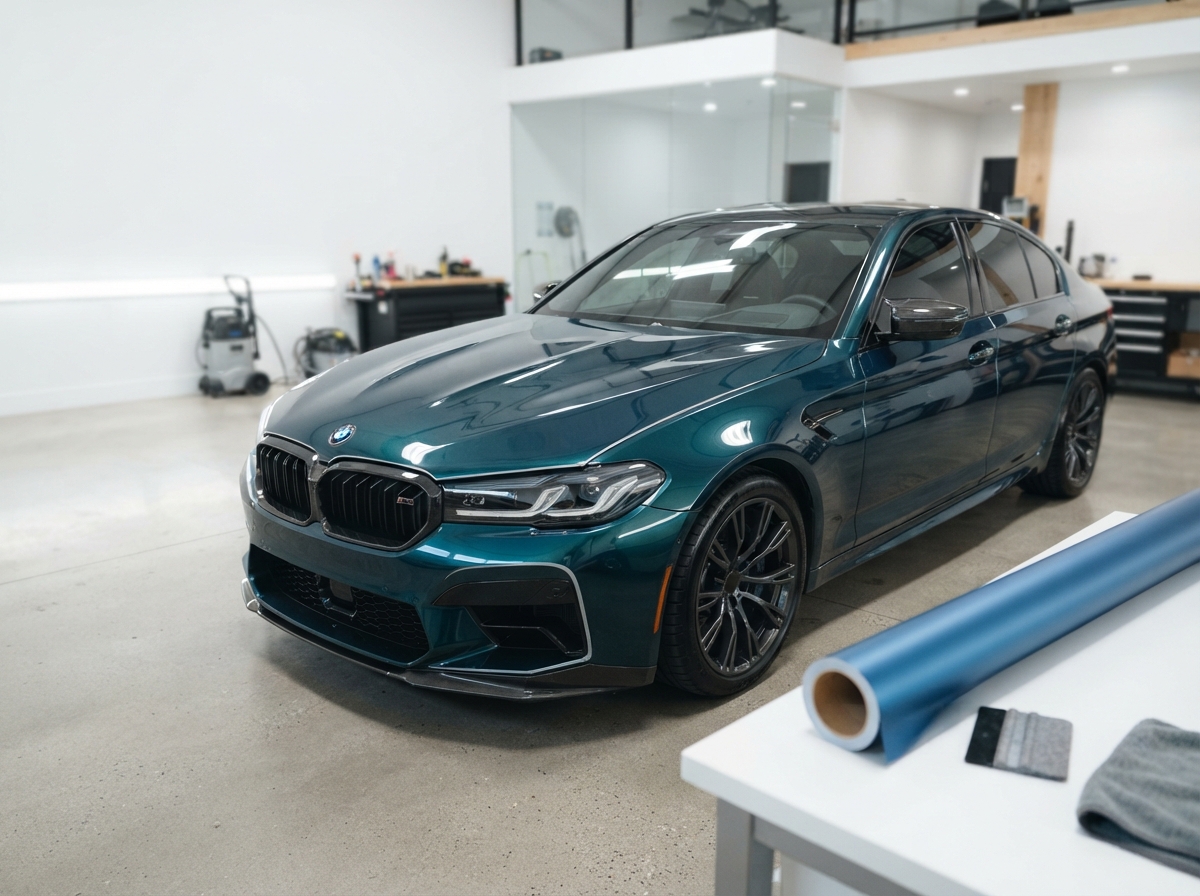
A colour change can transform a vehicle, but the material behind the colour matters as much as the finish. For B.C. drivers, the choice is more nuanced than repainting or applying a traditional vinyl wrap. Coloured paint protection film, often called coloured PPF, combines a new exterior colour with paint-protection-film characteristics. Vinyl wrap remains a flexible, style-led option with a broad range of colours, prints, and specialty finishes.
Neither choice is automatically better. The right answer depends on your priority: visual experimentation, protection from road hazards, a particular finish, maintenance expectations, and budget. This guide explains the practical difference before an ASC Automotive Styling Centre consultation.
Understand the two colour-change options
A vinyl wrap is a thin, conformable film installed over original paint. Its primary role is visual transformation. It can create a colour change, branded graphic treatment, or specialty look without permanently repainting the vehicle. Traditional vinyl comes in gloss, satin, matte, metallic, colour-shifting, and textured finishes, making it a strong choice when style range is the main goal.
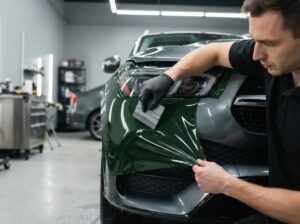
Coloured PPF is a different category. It is a paint-protection film with colour integrated into the material, so it is intended to provide a colour change while adding the physical barrier associated with PPF. For example, 3M describes its colour-series protection wrap film as a polyurethane product designed for personalization and protection from rock chips, scratches, stains, and the elements. It is offered in multiple gloss, matte, and colour-flip options. See the current 3M Protection Wrap Film Color Series details for the manufacturer’s product specifications and warranty conditions.
Clear PPF is mainly chosen to preserve a factory finish. Coloured PPF is intended for owners who want a new appearance and may value the protective qualities of a thicker film. A consultation should confirm which materials, colours, finishes, and installation options suit your vehicle. It should never assume every colour film or product is available.
Compare protection, finish, and flexibility
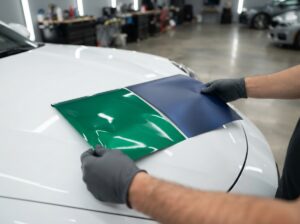
When comparing coloured PPF vs vinyl wrap, start with the job you need it to do. Vinyl is generally the more style-led option for a distinctive finish, custom graphic, or broad visual direction. Coloured PPF is a protection-led colour-change option. Its thicker polyurethane construction can be appealing where gravel, highway debris, road grime, and surface exposure are concerns.
Protection from daily driving
Vinyl wrap can act as a light sacrificial layer over the paint, but it is not designed to deliver the same impact-management characteristics as paint-protection film. Coloured PPF is built around the PPF category, which is intended to help shield the surface from common road hazards. Some products also describe heat-assisted recovery of minor surface marks. Those performance characteristics vary by manufacturer, film, warranty, vehicle condition, and installation, so they should be discussed as product-specific details rather than blanket promises.
Finish and design range
Vinyl usually offers the wider creative playground. It can be especially appealing if you are drawn to specialty textures, printed graphics, or an uncommon colour treatment. Coloured PPF has expanded considerably, but the available palette and finishes will still depend on the product line your installer can source. If your decision is driven by the visual personality of the vehicle, start by reviewing physical samples in your preferred lighting. ASC’s guide on choosing a car-wrap colour can help you narrow the initial palette before you choose the material.
Thickness and panel appearance
Film thickness is only one part of a successful installation. Panel preparation, paint condition, edge treatment, body complexity, and installer technique all influence the result. An assessment should identify existing chips, touch-up paint, previous repairs, and surface contamination before selection. A colour-change film will highlight, not erase, preparation issues.
Choose the option that matches your goal
Choose vinyl wrap when the project begins with appearance. You may want a finish not available in coloured PPF, a bold colour-shifting effect, branded graphics, or a style refresh that prioritizes creative freedom. Vinyl can be a sensible choice when road-impact protection is not the primary reason for the project.
Consider coloured PPF when you want a new colour with the protective-film attributes of an applicable product. It can be worth exploring for frequent highway use, gravel-road exposure, or daily outdoor parking. It can also appeal to owners less interested in extreme textures or printed designs. Base the choice on driving conditions and expectations, not a claim that one material is universally more premium.
Some projects use a traditional vinyl colour change with clear PPF on high-impact areas. Another approach is clear PPF plus a coating plan, depending on whether the factory colour will remain visible. ASC’s comparison of ceramic coating and PPF explains why those products serve different purposes. A consultation can compare coverage areas, finish priorities, and maintenance needs without overselling a one-size-fits-all package.
Plan the colour change before installation
Choose colour in person whenever possible. A swatch can look different under showroom lighting, bright sun, shade, and rainy B.C. conditions. View your short list next to factory trim, wheels, glass, and interior accents. Gloss, satin, and matte can make the same base colour appear dramatically different, so the finish deserves as much attention as the pigment.
For a finish-selection framework, review ASC’s article on satin, matte, and gloss wraps. Consider how the vehicle is stored, how often it is washed, and how much specialised care you will provide. A finish works long term only if its care routine suits your lifestyle.
Check B.C. registration details
A full colour change can also have an administrative dimension. Section 15 of B.C.’s Motor Vehicle Act states that when the style or colour of the body of a registered motor vehicle is changed, the owner must immediately deliver written notice to the Insurance Corporation of British Columbia with the nature of the change and other required particulars. Read the official B.C. Motor Vehicle Act provision and confirm your individual registration obligations with ICBC or the appropriate authority before proceeding. This article is general information, not legal advice.
Build a realistic care plan
Both materials benefit from regular, gentle cleaning. Remove bird droppings, tree sap, bug residue, and road contaminants promptly. Use products appropriate for the installed film and avoid aggressive brushes, abrasive compounds, or unapproved chemicals. Ask for care guidance on the exact film and finish, including curing period and wash method.
Discuss future repairs before the project starts. A film-covered panel may be repairable or replaceable, but matching depends on material availability, installation age, and adjacent panels. Keep your installer’s paperwork and material information for a future assessment.

Make the decision with ASC
The best coloured PPF vs vinyl wrap decision starts with a close look at your vehicle and priorities. Bring reference images, finish ideas, driving conditions, and a realistic budget to the consultation. ASC can help you compare applicable wrap and paint-protection options, assess the paint, and consider a colour and finish that suit your goals. The result should be a colour change you enjoy, with a material choice that suits how you drive.
Ready to explore a protected colour change or a custom vinyl transformation? Book a consultation with ASC Automotive Styling Centre to review your vehicle, preferred finish, coverage expectations, and available options.