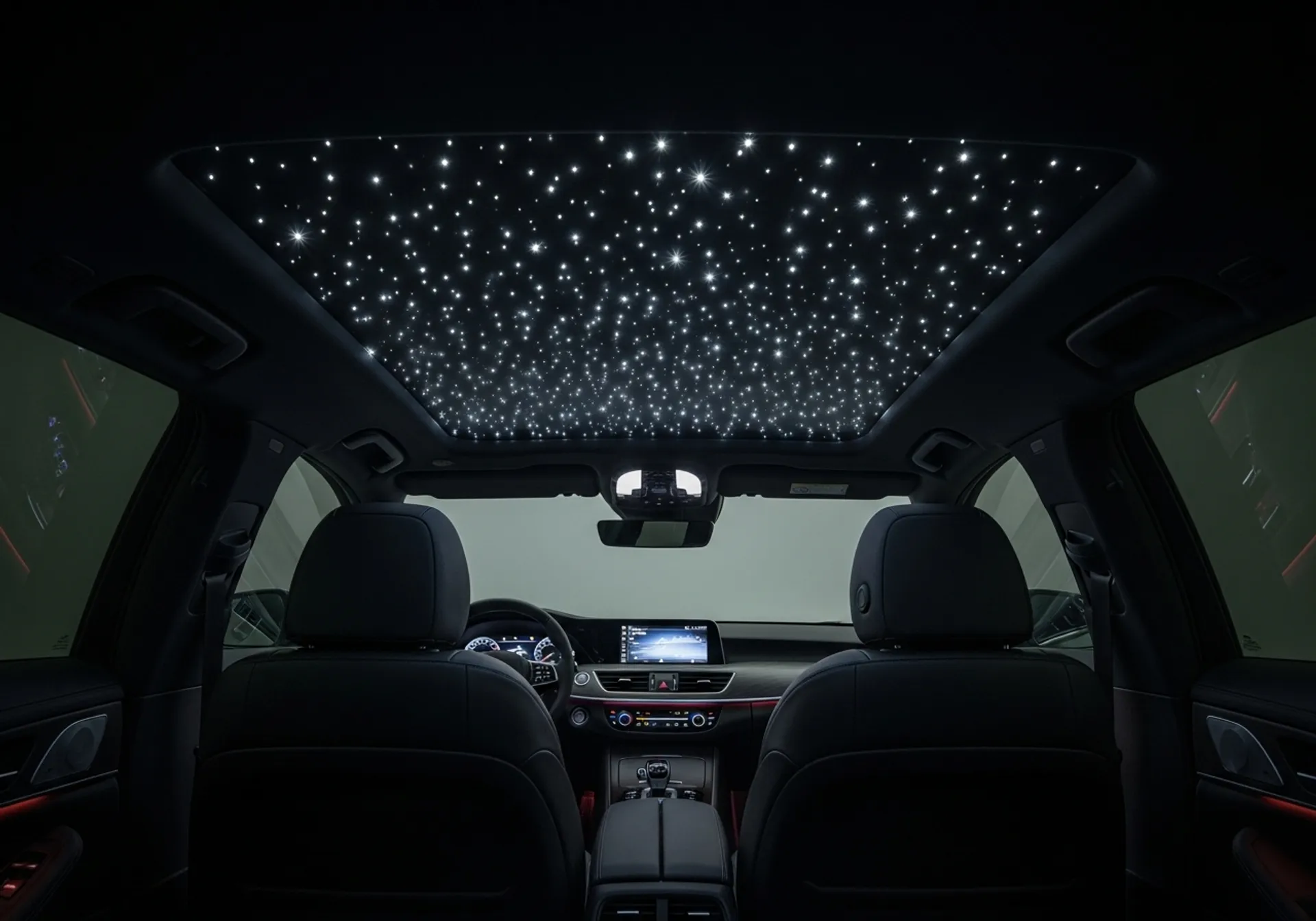
Have you ever gazed up at the ceiling of a Rolls-Royce and wished you could bring that breathtaking starry night sky into your own vehicle? That luxurious feature — known as a starlight headliner installation — is now more accessible than ever before. What was once reserved exclusively for ultra-luxury automobiles has become one of the most sought-after interior modifications in 2026, transforming ordinary vehicles into extraordinary personal sanctuaries.
The global automotive interior lighting market is projected to reach $11 billion by 2034, and starlight headliners are leading this revolution. Whether you drive a compact sedan, a family SUV, or a classic muscle car, this stunning upgrade can elevate your driving experience to an entirely new level of sophistication and comfort.
What Is a Starlight Headliner?
A starlight headliner is a custom automotive interior modification that uses fiber optic technology to replicate the appearance of a starry night sky on your vehicle’s ceiling. Hundreds — sometimes thousands — of tiny fiber optic strands are carefully threaded through the headliner material, each creating a single pinpoint of light that mimics a real star.
The system works through a light engine, typically an LED unit, that sends light through the fiber optic bundle. This light travels the length of each strand and emerges at the tip, creating that mesmerizing celestial effect. Modern kits offer features like color-changing capabilities, twinkle effects, shooting stars, and even music synchronization — all controlled via smartphone apps or handheld remotes.
The Origins of Starlight Headliners
The starlight headliner concept originated with Rolls-Royce, which introduced the feature in its Phantom models. According to automotive historians, the idea came from a customer who suffered from photophobia — extreme sensitivity to light — and could only comfortably read under starlight on his ranch. He requested that Rolls-Royce recreate this ambiance in his vehicle, and the iconic starlight headliner was born.
Today, skilled craftsmen at Rolls-Royce hand-weave between 800 and 1,600 fiber optic lights into each headliner, with strands placed at varying depths and angles to create natural-looking light variations. This painstaking attention to detail is what made the feature so exclusive — until now.
Why Starlight Headliners Are Trending in 2026
The surge in popularity for starlight headliner installations comes down to several key factors that align perfectly with modern automotive customization trends.
Accessible Luxury
What once cost tens of thousands of dollars as a factory option is now available through aftermarket kits and professional installations at a fraction of the price. Quality DIY kits range from $200 to $600, while professional installations typically cost between $900 and $2,500 depending on complexity and star count.
Personalization Culture
Modern vehicle owners crave unique touches that reflect their personality. A starlight headliner transforms your car’s interior into something truly one-of-a-kind. You can customize everything from the star density and pattern to colors and effects, creating a space that feels distinctly yours.
Enhanced Driving Experience
Beyond aesthetics, starlight headliners create a calming atmosphere that can reduce driving stress and fatigue. The soft, ambient glow provides gentle illumination without the harshness of dome lights, making nighttime driving more pleasant and relaxing.
Social Media Appeal
In the age of Instagram and TikTok, a starlight headliner makes for incredibly shareable content. Car enthusiasts and show car builders recognize the wow factor these installations provide, making them must-have modifications for anyone building a head-turning vehicle.
Components of a Starlight Headliner System
Understanding the components involved in a starlight headliner installation helps you make informed decisions about your upgrade. A complete system typically includes the following elements.
Light Engine
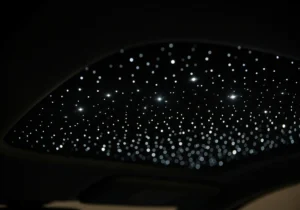
The light engine is the heart of the system. It houses the LED light source that illuminates all the fiber optic strands. Higher wattage engines — typically 16W to 20W — produce brighter stars. Premium engines offer RGBW capabilities, allowing you to display any color including pure white, along with special effects like twinkling and color morphing.
Fiber Optic Strands
These thin, flexible cables carry light from the engine to the headliner surface. Kits are sold by star count, ranging from 300 to over 1,500 strands. The strands come in varying diameters — thicker strands create brighter, more prominent stars, while thinner ones produce subtle, distant-looking points of light. Quality kits include a mix of diameters for a more realistic effect.
Control System
Modern kits include RF remotes and Bluetooth smartphone apps for convenient control. You can adjust brightness from 1% to 100%, select colors, activate twinkle modes, and even sync the lights to music. Some advanced systems integrate with your vehicle’s existing electronics for seamless operation.
Installation Hardware
Professional-grade kits include poke tools for creating holes in the headliner, adhesive for securing strands, and wiring components for connecting to your vehicle’s electrical system. Quality installations hardwire the system to the fuse box rather than using cigarette lighter adapters.
Professional Installation vs. DIY
One of the biggest decisions you’ll face is whether to tackle the project yourself or hire a professional. Both approaches have their merits, and the right choice depends on your skills, budget, and expectations.
Professional Installation Benefits
A professional trim and upholstery specialist brings years of experience to the project. They understand how to properly remove headliners without damage, work around sensitive components like airbags and wiring, and achieve a factory-level finish. Professional installations typically take 8 to 12 hours and come with warranties covering both workmanship and materials.
Expect to pay between $900 for basic installations with lower star counts up to $3,500 or more for high-density, feature-rich systems in complex vehicles. While this represents a significant investment, the peace of mind and quality assurance often justify the cost.
DIY Installation Considerations
For hands-on enthusiasts, DIY installation can be incredibly rewarding. The primary cost is the kit itself ($150 to $400), and the process teaches you valuable skills about your vehicle’s interior construction. However, be prepared for a time-intensive project requiring patience and precision.
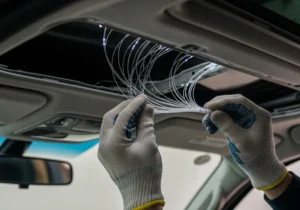
The basic process involves removing the headliner from your vehicle, creating a pattern for star placement, carefully poking holes for each fiber strand, threading and securing each strand with adhesive, bundling the strands to the light engine, and reinstalling the headliner. Each of these steps requires careful attention to avoid damaging the headliner material or creating an uneven appearance.
Factors Affecting Installation Cost
Several variables influence the final price of your starlight headliner project, whether you choose professional installation or DIY.
Star Count and Density
More stars mean more labor and materials. Low-density installations with 300 to 500 stars work well for smaller vehicles or minimalist looks. High-density setups with 800 to 1,500+ stars create the dramatic galaxy effect most people envision and are recommended for larger vehicles or anyone seeking a truly luxurious appearance.
Vehicle Type and Complexity
Standard vehicles with straightforward headliner removal are easier and cheaper to work on. Luxury vehicles, those with panoramic sunroofs, or cars with extensive airbag systems require additional time and expertise. SUVs and trucks need larger kits and more labor than compact cars.
Features and Effects
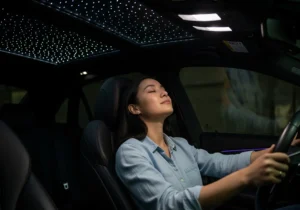
Basic white-only light engines cost less than RGBW systems with full color capabilities. Adding shooting star effects, music synchronization, and advanced control systems increases the price. However, these features dramatically enhance the overall experience and are worth considering.
Headliner Material Upgrades
Many owners combine their starlight installation with a headliner material upgrade. Replacing factory fabric with premium materials like Alcantara or suede adds cost but creates an even more luxurious result. If you’re already removing the headliner, it’s an ideal time for this enhancement. Learn more about our leather interior options that complement starlight headliners beautifully.
Customization Options and Ideas
One of the most exciting aspects of starlight headliners is the creative freedom they offer. Here are some popular customization approaches.
Constellation Patterns
Rather than random star placement, some enthusiasts recreate specific constellations or even the exact night sky from a meaningful date — like a birthday, anniversary, or the night they met their partner. This adds profound personal significance to the upgrade.
Logo and Text Designs
Advanced installations can incorporate logos, initials, or text into the star pattern. This is particularly popular for show cars or business vehicles where branding matters.
Color Coordination
Match your starlight colors to your vehicle’s ambient lighting system for a cohesive interior aesthetic. Many owners coordinate with their wrap color or interior trim accents for a unified design language.
Shooting Star Effects
Premium kits include shooting star capabilities where individual strands briefly flare brighter, creating the illusion of a meteor streaking across your ceiling. This dynamic effect adds movement and drama to the installation.
Maintenance and Longevity
A properly installed starlight headliner requires minimal maintenance and can last for many years. LED light engines typically have lifespans of 50,000+ hours, and fiber optic strands don’t burn out like traditional bulbs.
To maximize longevity, avoid leaving the system running for extended periods when the vehicle is off, keep the headliner clean using gentle microfiber cloths, and ensure all connections remain secure. If you ever sell your vehicle, the starlight system can either serve as a value-adding feature or be removed with the headliner replaced, returning the car to stock appearance.
Legal Considerations
Interior accent lighting like starlight headliners is generally legal since it’s not visible from outside the vehicle. However, it’s wise to check local regulations, particularly regarding brightness levels and colors. Avoid using red, blue, or flashing lights that could be confused with emergency vehicles. The National Highway Traffic Safety Administration provides guidance on vehicle lighting compliance.
Transform Your Vehicle Today
A starlight headliner installation represents one of the most impactful interior upgrades available to vehicle owners today. Whether you’re seeking the serene ambiance of driving under the stars, building a show-stopping custom vehicle, or simply want to add a touch of luxury to your daily commute, this modification delivers on all fronts.
With options ranging from affordable DIY kits to professional installations with premium features, there’s a starlight solution for every budget and preference. The key is choosing quality components, ensuring proper installation, and selecting customization options that reflect your personal style.
Ready to transform your vehicle’s interior into a celestial experience? Contact our auto styling experts to discuss your starlight headliner project. Our experienced technicians combine decades of trim and upholstery expertise with cutting-edge lighting technology to deliver installations that exceed expectations.