Winter is tough on vehicles. Months of road salt, freezing temperatures, ice scrapers, and harsh chemicals take a real toll on your car’s paint, interior, and mechanical components. As the weather warms up, spring presents the ideal window to undo that damage and set your vehicle up for a season of confident, worry-free driving.
This spring car detailing checklist walks you through every step — from removing corrosive salt buildup to restoring your paint’s shine and protecting your interior against the UV exposure that comes with longer, sunnier days. Whether you handle it yourself or bring your car to a professional auto styling centre, following these steps will keep your vehicle looking and performing at its best throughout 2026.
Start With a Thorough Exterior Wash
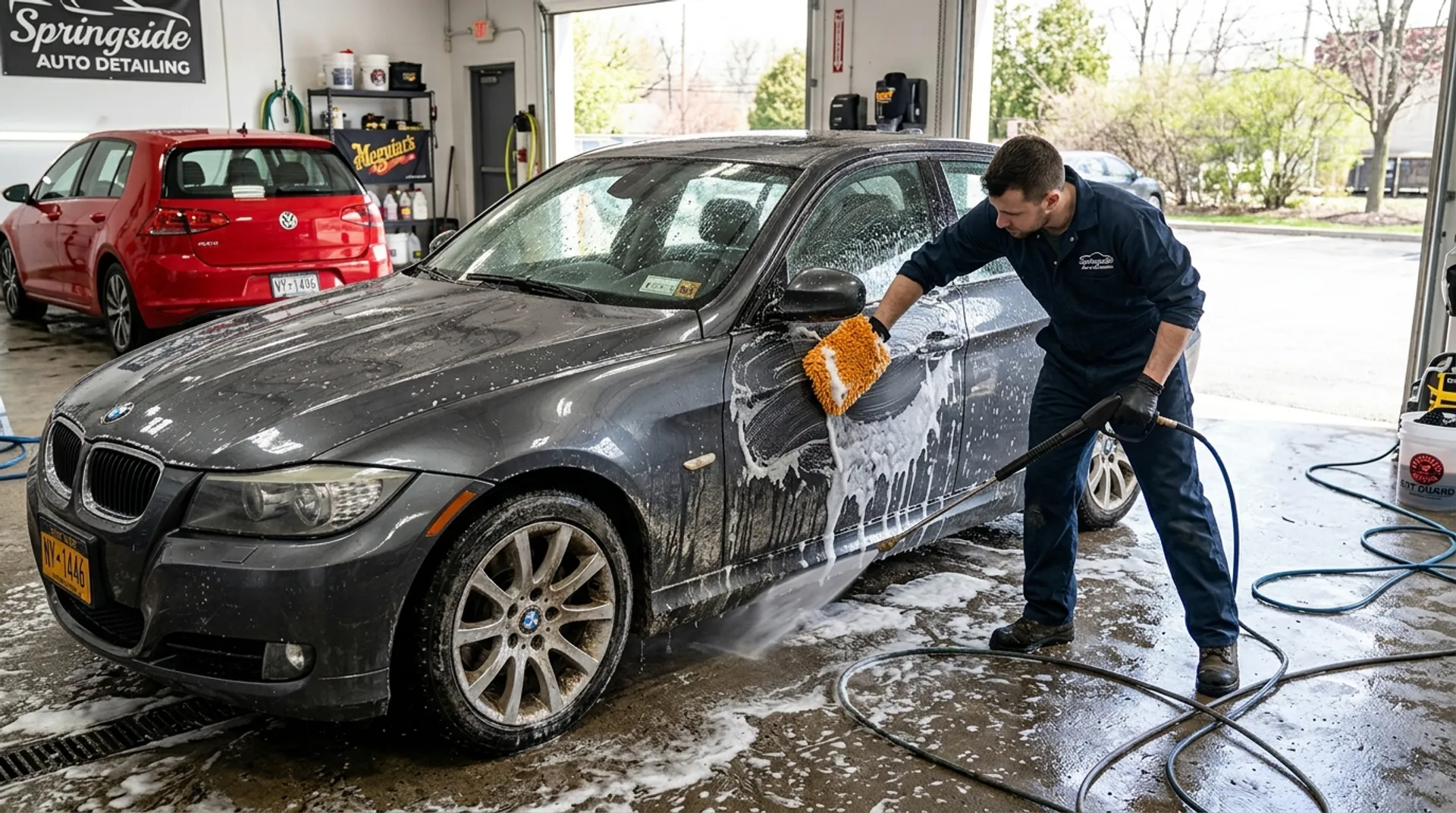
The single most important first step in any spring car care routine is a comprehensive exterior wash. Winter leaves behind layers of road salt, sand, and chemical residue that cling to your paint, wheel wells, and undercarriage. Left untreated, these contaminants accelerate corrosion and cause permanent damage to your vehicle’s finish.
Begin with a strong pre-rinse using a pressure washer or garden hose to loosen debris before you touch the paint. Use the two-bucket wash method — one bucket with clean soapy water and a second with rinse water — to avoid dragging dirt across the surface. Pay special attention to areas where grime collects heavily, including the lower panels, behind the wheel arches, and around door jambs. According to the AutoZone spring care checklist, a thorough spring wash using the right supplies can be done for under $150 and makes a dramatic difference.
Clay Bar Treatment for Embedded Contaminants
Even after a careful wash, microscopic contaminants like iron particles, industrial fallout, and tree sap can remain bonded to your clear coat. Running your hand across the paint after washing will reveal a gritty texture if these particles are present. A clay bar treatment gently lifts them away, leaving the surface perfectly smooth and ready to accept wax or ceramic protection. This step takes about 30 to 45 minutes for a full vehicle and makes a noticeable difference in how your paint looks and feels.
Refresh and Deep Clean the Interior
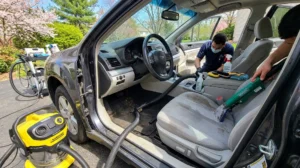
Winter interiors accumulate salt stains on carpets, trapped moisture under floor mats, dust in air vents, and bacteria on high-touch surfaces like the steering wheel and door handles. A proper spring interior refresh goes far beyond a quick vacuum.
Start by removing all floor mats and vacuuming every surface thoroughly — seats, carpets, trunk, crevices between seats, and under the pedals. Use a stiff brush to break up caked salt stains before vacuuming them away. For cloth upholstery, a deep shampoo removes embedded dirt and eliminates odors. For leather seats, use a pH-balanced leather cleaner followed by a quality conditioner to prevent cracking from summer heat and UV exposure. Our leather interior services page provides more detail on proper leather care and restoration options.
Dashboard, Console, and Air Vent Cleaning
Wipe down every hard surface — the dashboard, center console, door panels, and cup holders — with an interior-safe cleaner. Avoid products that leave a shiny residue, as they can cause dangerous glare on the windshield. Use a detailing brush or compressed air to clean dust from air vents, which accumulate allergens and debris over winter months. Replacing your cabin air filter at this time is also a smart move, as a fresh filter improves air quality and ensures your climate system works efficiently heading into warmer weather.
Inspect and Protect Your Paint
After washing and decontaminating the exterior, take the time to inspect your paint closely under good lighting. Winter conditions — particularly road debris, ice scrapers, and snow brushes — often leave behind light scratches, swirl marks, and small chips that can rust quickly if left untreated.
For light swirl marks, a one-step polish compound restores clarity and gloss without removing excessive clear coat. Touch-up paint pens handle small chips and prevent rust from forming in exposed areas. Once the surface is corrected, applying a layer of protection is essential before UV exposure intensifies through spring and summer.
Wax, Sealant, or Ceramic Coating — Which Is Right?
Traditional carnauba wax provides a warm, deep shine and typically lasts four to eight weeks. Paint sealants offer longer durability at three to six months with a slightly glossier finish. For the best long-term value, a ceramic coating creates a semi-permanent hydrophobic barrier that protects against UV damage, chemical staining, and environmental contaminants for years. Our detailed breakdown of graphene ceramic coating technology explains how these advanced formulas work and why they have become the preferred choice for lasting vehicle protection.
Clean the Undercarriage and Wheel Wells
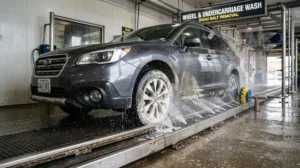
This is the step most people skip — and it is arguably the most important one after winter. Road salt accumulates heavily on your vehicle’s underside, frame rails, and wheel wells where it quietly corrodes metal components over time. The Car and Driver maintenance guide emphasizes that undercarriage corrosion from salt is one of the leading causes of premature structural damage in vehicles driven through harsh winters.
Use a pressure washer directed at the undercarriage, wheel wells, and behind the wheels to flush away accumulated salt and debris. Many professional detailing shops offer dedicated undercarriage wash services. If you live in a region with heavy winter road treatment, scheduling this service as soon as temperatures consistently stay above freezing is critical for preventing long-term rust damage.
Wheel and Brake Dust Cleaning
Your wheels also deserve focused attention. Winter driving produces heavy brake dust buildup, and road salt bonds aggressively to wheel surfaces. A dedicated wheel cleaner with an iron remover formula dissolves these contaminants without damaging the wheel finish. After cleaning, applying a wheel sealant or ceramic wheel coating prevents future buildup and makes ongoing maintenance significantly easier throughout the warmer months.
[Image 3 here]
Check and Upgrade Your Window Tint
Spring is the ideal time to evaluate your window tint. Older films may have started to bubble, fade, or turn purple after years of UV exposure. If your tint is showing its age, replacing it with a modern ceramic film delivers dramatically better heat rejection and UV protection heading into summer. Quality ceramic tints block up to 99% of harmful UV rays while maintaining excellent optical clarity — a worthwhile investment for both comfort and interior preservation.
If your windows are not yet tinted, spring is the perfect season to get it done before the summer heat arrives. Our smart window tinting guide covers the latest in ceramic, nano-ceramic, and color-stable film options to help you choose the right product for your vehicle.
Restore and Protect Trim, Rubber, and Plastics
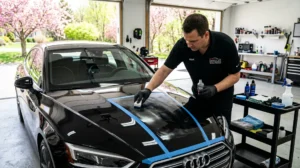
Exterior plastic trim, rubber seals, and weatherstripping all suffer from winter’s cold and UV exposure. Faded black trim ages a vehicle’s appearance instantly, even if the paint looks great. A quality trim restorer brings back the deep black color and provides UV protection that slows future fading.
Inspect door seals and window weatherstripping for cracks or deterioration. Applying a silicone-based rubber protectant keeps these seals supple and prevents them from drying out and leaking. This small step also reduces wind noise and keeps moisture from entering the cabin. For more comprehensive exterior restoration options, explore our trim and upholstery services.
Address Convertible Top Care
If you drive a convertible, your soft top needs special attention after winter storage or winter driving. Vacuum loose grit from the fabric, scrub seams gently with a soft brush, and apply a fabric-safe cleaner to remove stains and mildew. Finish with a convertible top protectant that repels water and blocks UV damage. Neglecting soft top maintenance leads to leaks, discoloration, and premature wear that can be expensive to repair. Our convertible tops page details professional care and replacement options available at ASC.
Create Your Own Spring Protection Schedule
The key to getting the most out of your spring detailing efforts is creating a simple maintenance schedule that carries you through the warmer months. After completing the full checklist above, maintaining your vehicle becomes much easier with regular upkeep.
Wash your car every two weeks to prevent pollen, bird droppings, and tree sap from bonding to the paint. Apply a spray sealant or detail spray monthly to maintain your protective layer between full waxes or coating maintenance. Vacuum the interior biweekly and wipe high-touch surfaces weekly. These small habits keep your vehicle looking showroom-fresh without requiring another deep detailing session until autumn.
Spring is the season of renewal — and your vehicle deserves the same fresh start. Whether you tackle the spring car detailing checklist yourself or bring your ride to a professional team, the time you invest now protects your vehicle’s appearance, value, and longevity for the entire year ahead. Contact ASC Automotive Styling to book your spring detailing or protection package and give your car the care it has earned.