Why the Panoramic Roof Look Has Become So Desirable
Open any automotive brochure from the last five years, and you will find the same image repeated across brand after brand: a sleek, uninterrupted glass panel stretching across the roofline, flooding the cabin with light and giving the car an open, airy, premium feel. The panoramic glass roof has become one of the most aspirational features in modern vehicle design, and its popularity has only grown as it has migrated from luxury flagships down into the mainstream SUV and crossover segment.
The problem is cost. A factory-fitted panoramic sunroof can add anywhere from $1,500 to well over $3,000 to the purchase price of a new vehicle, and retrofitting a genuine glass panel to an existing car is a significant structural undertaking involving roof cutting, seal replacement, and drainage system installation. For the majority of drivers who did not tick that box at the dealership, the dream has largely remained out of reach.
That is exactly where the panoramic roof wrap has stepped in. By applying a precisely cut section of vinyl film to the roof of any vehicle, a skilled installer can replicate the visual impact of a panoramic glass roof at a fraction of the cost — with zero structural modification, zero risk to the vehicle’s integrity, and the bonus of being completely reversible. It is one of the cleverest applications in the modern vinyl wrap world, and it is trending sharply in 2026 as more car owners discover just how convincing the result can be.
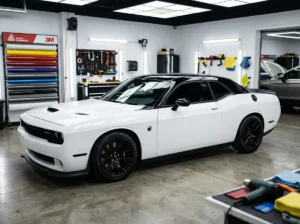
How a Panoramic Roof Wrap Actually Works
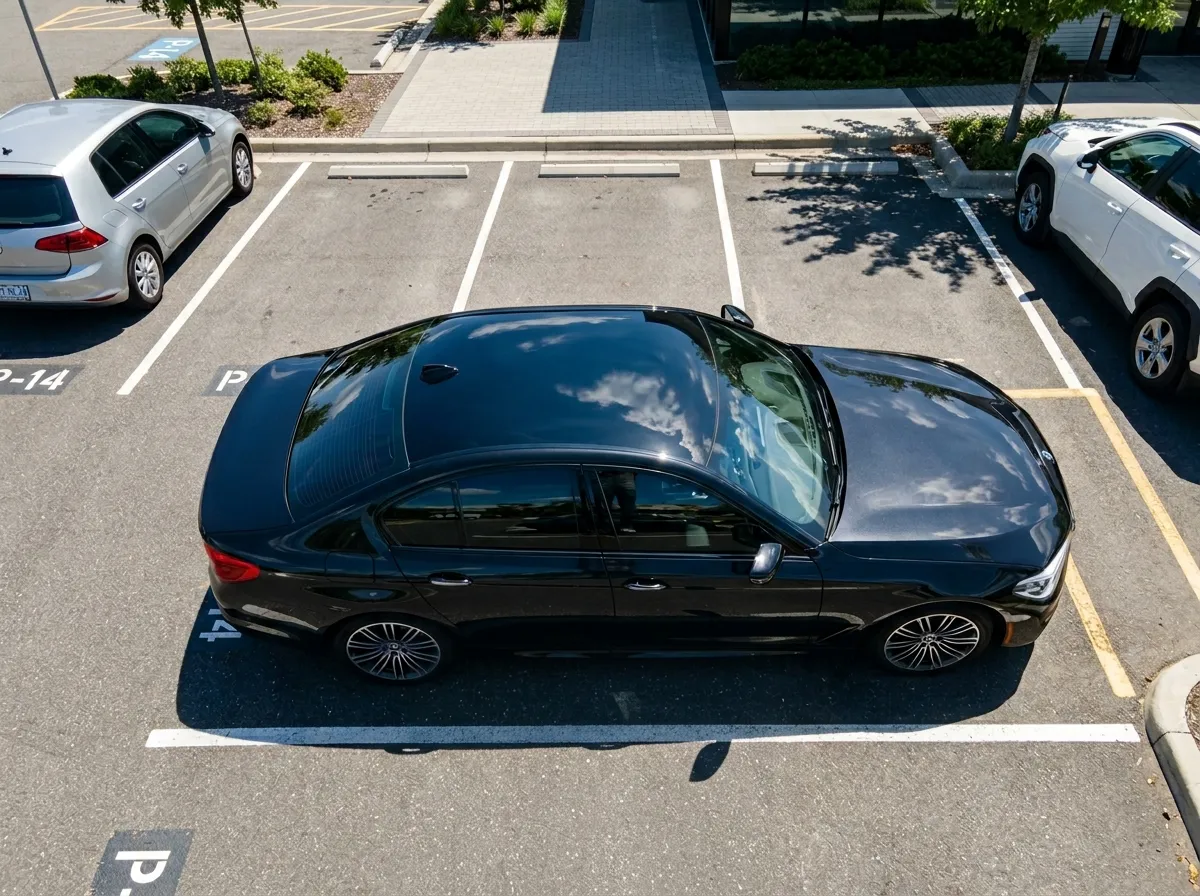
The concept behind a panoramic roof wrap is straightforward: a deep-tinted, gloss, or semi-transparent vinyl film is applied to the top of the vehicle to mimic the dark glass panel of a panoramic sunroof. When viewed from outside, the contrast between the wrapped roof section and the vehicle’s body colour creates an illusion of depth and separation that reads — convincingly — as glass.
The role of contrast and colour selection
The visual effect depends almost entirely on the contrast between the roof wrap and the body. On a white, silver, or light-coloured vehicle, a gloss black or deep charcoal roof wrap delivers the sharpest and most convincing result — replicating the dark, reflective appearance of tinted glass panels seen on production panoramic roof vehicles. On darker vehicles, a semi-gloss or satin dark finish still creates meaningful separation and visual interest, even if the contrast is more subtle.
For drivers who want something beyond the classic glass-roof imitation, the panoramic roof section is also an ideal canvas for a contrasting colour accent, a carbon-fibre-texture wrap, or one of the iridescent and colour-shifting finishes that are currently trending. If you have followed the rise of iridescent and chameleon wrap finishes, a roof section is one of the most impactful — and cost-effective — places to introduce that effect without committing to a full vehicle wrap.
Sizing and panel shape
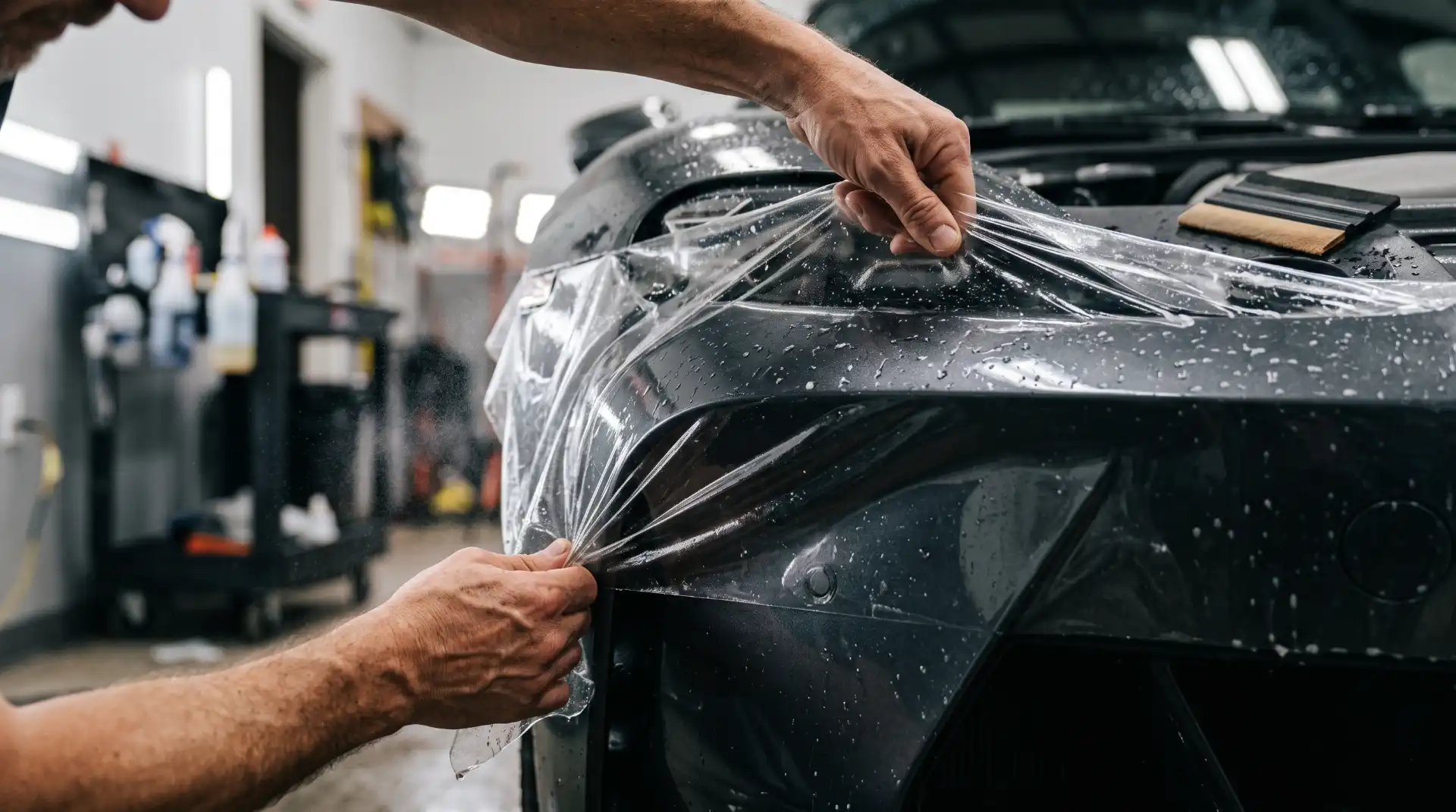
A professional installer will measure the exact dimensions of the vehicle’s roof and cut the vinyl panel to match the proportions of a genuine panoramic opening for that specific model. This precision matters significantly: a panel that is too small reads as an afterthought, while one correctly sized to the roof architecture looks factory-fitted. Templates exist for most popular vehicles, and custom measurement is straightforward for less common models.
Edge finishing and integration
The quality of the edge finish is what separates a convincing panoramic roof wrap from an obvious one. The perimeter of the vinyl panel should follow the natural lines and seams of the roof — the drip rails, the A-pillar and C-pillar joins — so that the edges appear deliberate rather than applied. A skilled installer will tuck edges cleanly under trim strips and use heat to conform the vinyl precisely to any contours, leaving no visible lifting, bubbling, or raw edges.
Finish Options for Your Roof Wrap
One of the genuine pleasures of choosing a panoramic roof wrap over a factory sunroof is the freedom to select a finish that serves your specific aesthetic. The standard factory glass panel comes in one look. A vinyl roof wrap comes in dozens.
Gloss black and deep tinted finishes
The most popular choice for drivers specifically chasing the panoramic glass illusion. A high-gloss deep black vinyl panel, particularly on a light-coloured body, produces the most convincing visual result. Premium cast vinyl films from brands such as Avery Dennison and 3M achieve a depth and reflectivity that reads almost identically to tinted automotive glass from standard viewing distances.
Satin and matte dark finishes
For vehicles with a matte body wrap or a satin paint finish, a matching satin or matte dark roof section maintains tonal consistency while still creating the visual separation of a contrasting panel. Matte finishes also have the practical advantage of being less susceptible to showing fine scratches and swirl marks than high-gloss surfaces.
Carbon fibre texture wraps
Carbon fibre vinyl is one of the most enduring textures in automotive customisation, and the roof section is its most natural home. A 3D or 4D carbon fibre wrap on the roof of an otherwise standard vehicle delivers an unmistakably sporting aesthetic — far more cost-effectively than any other method of introducing the material’s appearance. It pairs particularly well with blacked-out trim, sport alloys, and full chrome-delete and blackout styling packages.
Iridescent and colour-shifting films
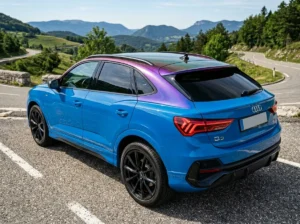
For the driver who wants the roof to be a feature rather than an imitation, iridescent and chameleon-effect films are a spectacular choice. Applied to just the roof section, these colour-shifting vinyls create a dynamic visual focal point — a panel that appears deep purple from one angle, shifts to green in sunlight, and catches gold in the late afternoon. The roof is one of the most visible parts of a moving car, and a well-chosen iridescent finish makes full use of that visibility without overwhelming the vehicle’s overall look.
Panoramic Roof Wrap vs. Actual Sunroof Installation
It is worth being transparent about what a panoramic roof wrap does and does not deliver compared to a genuine glass panel installation — because for many drivers, the wrap is not just a budget compromise; it is actively the better choice.
What the wrap delivers
The visual transformation from outside the vehicle is the wrap’s primary strength. Parked, in traffic, or in photographs, a well-executed panoramic roof wrap is genuinely difficult to distinguish from the real thing. The contrast effect, the reflective quality of gloss vinyl, and the precise panel proportions all contribute to a result that consistently surprises even automotive enthusiasts who know what they are looking at.
Beyond the aesthetics, the wrap preserves the roof’s structural integrity completely. There is no cutting, no seal installation, no drainage system to maintain, and no new leak path into the cabin. The original paint under the wrap remains protected and factory-fresh — a benefit that extends to the vehicle’s resale value, since the wrap can be removed cleanly to reveal unmarked paint beneath.
What it does not do
A panoramic roof wrap does not open. It does not flood the cabin with light or provide ventilation. For drivers whose primary motivation is the open-air driving experience or the interior ambience of natural overhead light, a genuine sunroof installation remains the appropriate route. ASC’s sunroof installation service covers both aftermarket Webasto systems and Symcom vinyl tops for those seeking the functional experience. For drivers whose motivation is primarily the exterior aesthetic — or who want both a sunroof and a contrasting roof panel — the two options are not mutually exclusive.
Cost comparison
A professional panoramic roof wrap installation is typically a fraction of the cost of a genuine sunroof retrofit. The materials and labour required are modest relative to the visual impact delivered, making it one of the strongest value propositions in automotive customisation. As Car and Driver notes in its vehicle customisation guide, partial accent wraps consistently deliver some of the highest visual impact per dollar of any aftermarket modification — and the roof section exemplifies that principle perfectly.
Making It Last: Care and Maintenance
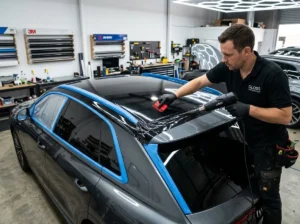
A professionally installed roof wrap on quality cast vinyl film will typically last five to seven years before any significant degradation in appearance, provided it is cared for correctly. The roof is one of the more demanding locations on a vehicle from a UV and weather exposure perspective, so material quality and finish selection matter more here than on protected panels.
Washing and cleaning
A wrapped roof can be washed in the same way as the rest of the vehicle. Mild automotive shampoo applied with a soft wash mitt or microfibre cloth is all that is required. Avoid high-pressure jets directed at panel edges, particularly at the perimeter where the vinyl terminates, as sustained high pressure can lift edge adhesion over time. Touchless automatic car washes are generally safe for wrapped surfaces; brush-type washes are best avoided.
UV protection
Premium cast vinyl films include UV inhibitors in their construction, which significantly extend colour and gloss retention on a horizontally exposed panel. Adding a vinyl-safe spray sealant or ceramic coating designed for wrapped surfaces provides an additional layer of UV protection and makes ongoing cleaning easier. This step is particularly worth considering for gloss-black roof panels, which show UV fade and surface contamination more readily than darker matte finishes.
Addressing minor damage
One of the practical advantages of a vinyl roof wrap over factory paint or a glass panel is the replaceability of individual sections. If a small area of the wrap is damaged, it can be patched or the entire panel can be re-wrapped without any impact on the underlying surface. This repairability stands in sharp contrast to a chipped or cracked glass panoramic panel, which represents a considerably more expensive and disruptive repair. For comprehensive care advice across all vinyl wrap applications, the paint protection and maintenance guide on the ASC blog covers the key principles that apply equally well to wrapped surfaces.
Whether you are drawn to the clean premium aesthetic of a gloss-black panel, the sporting intent of carbon fibre texture, or the visual drama of a colour-shifting iridescent finish, a panoramic roof wrap is one of the most rewarding partial-wrap options available. It delivers outsized visual impact for its cost, protects the original paint beneath it, and can be changed or removed entirely whenever your tastes evolve. To discuss the right finish and approach for your specific vehicle, get in touch with the ASC styling team and we will help you design the perfect roof transformation.