Why Convertible Top Care Pays for Itself Many Times Over
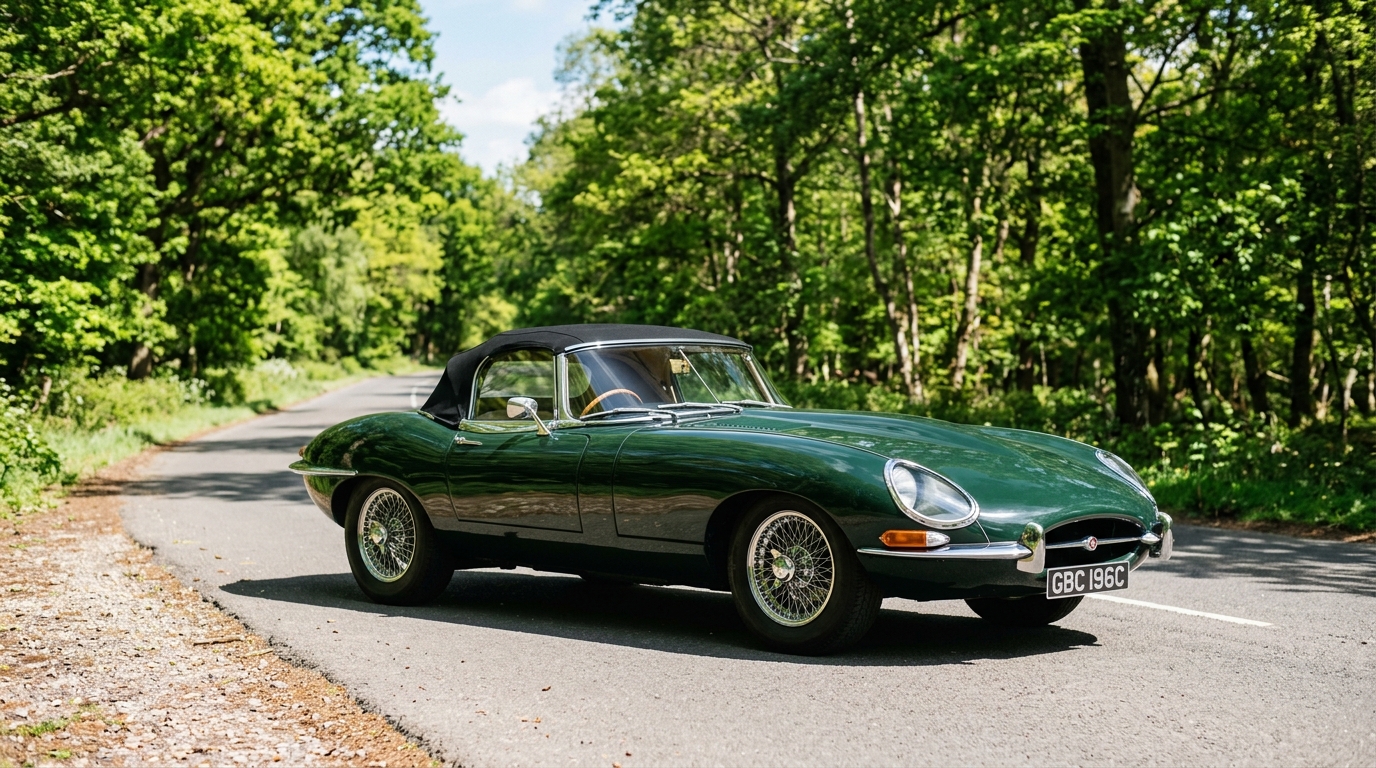
A convertible is one of the most enjoyable vehicles you can own. The open-air driving experience, the connection to the road, and the visual appeal of a well-kept soft top are all part of what makes drop-top ownership special. But that soft top — whether it is cloth, canvas, or vinyl — is also one of the most exposed and weather-challenged surfaces on any vehicle, and it requires a level of attention that a standard painted roof simply does not.
The good news is that consistent, correct maintenance makes a dramatic difference to how long a convertible top lasts and how well it performs. A soft top that receives regular cleaning, proper protection, and prompt attention to minor issues can remain in excellent condition for a decade or more. One that is neglected deteriorates quickly — fading, cracking, developing leaks, and eventually requiring a full replacement that represents a significant cost.
Understanding exactly what that maintenance routine involves — and what to avoid — is the starting point for every convertible owner who wants to protect their investment and keep their vehicle looking as good as the day it left the shop. This guide covers everything you need to know, drawing directly from the care principles used by professional convertible top specialists.
Know Your Material Before You Start
The first rule of convertible top maintenance is knowing what material your top is made from, because vinyl and cloth tops require different cleaning products, different protection treatments, and have different vulnerability profiles. Using the wrong product — even with the best intentions — can cause irreversible damage.
Vinyl and PVC tops
Vinyl tops have a smooth, non-porous surface that resists water from the outset without requiring a separate water-repellent treatment. They are generally easier to wipe clean and less susceptible to mildew than cloth alternatives. However, vinyl is significantly more vulnerable to UV degradation over time — prolonged sun exposure without protective treatment causes the material to harden, crack, and shrink. The most important maintenance step for a vinyl top is consistent application of a UV-protective vinyl conditioner after every thorough cleaning. Vinyl is also more sensitive to petroleum-based products, which break down the material’s molecular structure over time.
Cloth and canvas tops
Cloth tops — including the multi-layer acrylic and canvas constructions used on most European and modern vehicles — offer superior insulation and a premium appearance, but they are considerably more demanding in terms of maintenance. Cloth is porous, which means it absorbs moisture, dirt, and airborne contaminants more readily than vinyl. The water-repellent treatment applied during manufacturing degrades with UV exposure and washing over time, and once it is gone, water soaks directly into the fabric rather than beading and running off. Re-applying a dedicated fabric protectant regularly is essential to maintaining a cloth top’s water resistance. Cloth is also more susceptible to mildew if left wet or stored damp.
The Right Way to Clean Your Convertible Top
Correct cleaning technique is the single most impactful maintenance habit for any convertible top. The wrong method — even with appropriate products — can cause premature deterioration, color fading, and seam damage. Following the right sequence every time takes only a few extra minutes and produces significantly better long-term results.
Always wash in the shade
This rule comes directly from ASC’s own care guidelines for every convertible top it installs: wash tops in the shade, never in direct sun. Cleaning products applied to a hot, sun-baked surface dry before they can be rinsed away, leaving residue that fades the fabric and degrades the surface treatment. Move the car into a shaded area before starting, and complete the full wash and rinse cycle before the surface has a chance to dry.
Wet the entire car first
Before applying any cleaning product to the top, wet the entire vehicle — including the top — thoroughly with a hose. This removes loose surface debris that would otherwise be dragged across the fabric during washing, and it prevents the top material from absorbing cleaning solution unevenly. Only once the entire surface is saturated should you begin applying the wash solution.
Use only approved cleaning products
Never use household detergents, citrus-based cleaners, bleach, silicone products, or petroleum-derived cleaners on a convertible top. As Robbins Auto Top — one of the industry’s leading soft top manufacturers — states in its official care guide, factory recommendations prohibit citrus, bleach, silicone, and petroleum-based products because these break down the top’s water resistance, degrade seam adhesives, and accelerate deterioration of both vinyl and cloth materials. The correct choice is a mild, non-detergent automotive shampoo without glossing agents, or a dedicated convertible top cleaner designed for the material type. The only cleaner recognized by the Haartz Corporation — the world’s leading convertible top fabric manufacturer — is Wolfstein’s RaggTopp Cleaner, available through most automotive specialty retailers.
Apply with a soft-bristle brush
Use a soft-bristle brush to apply the sudsy solution in gentle, back-and-forth strokes across the full panel. Do not use a chamois or cloth — ASC’s care guide specifically notes these leave lint deposits on cloth tops and drag fine debris across the surface rather than lifting it. Never scrub in tight circular motions, which can distort the fabric weave and leave visible marks on the finished surface.
Rinse completely and dry in sunlight
Any soap residue left on the top will fade the color, attract future dirt, and degrade the surface treatment over time. Rinse with a steady, thorough flow from a hose — not a pressure washer, which can force water under seams and lift edge adhesion. After rinsing, move the car into direct sunlight and allow the top to dry completely before lowering. Attempting to fold down a damp top traps moisture in the stored fabric, which promotes mildew growth — particularly on cloth tops.
Protecting the Top After Every Clean
Cleaning removes what has accumulated on the surface. Protection prevents future damage. The two steps work as a system — protection applied to a dirty surface is ineffective, and a clean surface left unprotected degrades far more quickly than one that has been properly treated.
Fabric protectant for cloth tops
Cloth convertible tops are manufactured with a water-repellent finish that causes rain and moisture to bead and roll off rather than saturating the fabric. This finish degrades progressively with UV exposure, washing, and weathering. Once it is gone, water soaks directly into the fabric, dramatically increasing the weight of the raised top, the risk of mildew, and the stress on the frame and seams. A dedicated convertible top fabric protectant — applied after every thorough cleaning, or at minimum twice per year — restores this water-repellent layer. Spray evenly across the dry fabric surface, allow it to penetrate fully, and buff off any excess. The result is a surface that sheds water cleanly again and resists UV fading and contamination significantly better than untreated fabric.
UV protectant for vinyl tops
Vinyl tops do not require a water-repellent treatment, but they need consistent UV protection to prevent the hardening, cracking, and color fading that comes with prolonged sun exposure. A UV-protective vinyl conditioner — applied as part of the post-cleaning routine — keeps the material supple, prevents micro-cracking that eventually leads to structural failure, and maintains the color depth of the original finish. Choose a product specifically formulated for automotive vinyl rather than a general rubber or plastic dressing, which may leave the surface tacky or cause long-term material degradation.
Caring for the Rear Window
The rear window of a convertible soft top requires separate care from the surrounding fabric, and it is one of the most commonly neglected parts of the convertible maintenance routine. The wrong cleaning approach on a plastic rear window causes irreversible damage that no subsequent care can correct.
Glass rear windows
Glass rear windows, increasingly common on modern convertibles, can be cleaned with standard automotive glass cleaner and a microfiber cloth. Pay particular attention to the channel where the glass meets the fabric surround during every wash — dirt and moisture accumulate here and can cause the surrounding fabric to stain or the sealing strip to deteriorate if left unaddressed.
Plastic rear windows
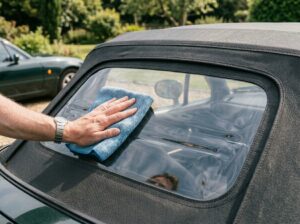
Plastic rear windows require specific handling that differs significantly from glass care. Never use paper towels — even a single pass leaves fine scratches that accumulate into visible hazing over time. Never use household glass cleaner or ammonia-based window spray — these cause clear plastic to cloud, stiffen, and eventually crack. As Robbins Auto Top recommends, use a soft cloth with plain water or a mild soap solution, applied in a side-to-side or top-to-bottom motion — never circular, which causes scratching. Products such as Meguiar’s Mirror Glaze Formula 17 are specifically formulated for plastic automotive windows and deliver the best results for regular care. Follow with a UV-protective plastic conditioner to slow the yellowing that affects all clear plastics over time.
Operational Habits That Protect the Top Every Day
Beyond the cleaning and protection routine, a set of consistent operational habits contributes significantly to the long-term health of a convertible top. These habits cost nothing and take no additional time — they simply require awareness during normal use of the vehicle.
Watch the top every time you operate it
Every time you raise or lower the top, watch it actively through its full range of motion. Any hesitation, snagging, uneven tension, or unusual sound is an early warning sign of a frame component, cable, or motor issue that will worsen if left unaddressed. ASC’s care guidelines make this a specific recommendation: watch your convertible top and glass or plastic window as it is lowered or raised, and if you notice any irregular motion, have the top frame examined promptly. Catching these issues early — before they cause secondary fabric damage or mechanical failure — is one of the most cost-effective maintenance habits a convertible owner can develop.
Never use a brush-type automatic car wash
Brush-type automatic car washes are damaging to convertible tops under any circumstances. The rotating brushes abrade the fabric surface, can catch on seams and pull stitching, and force water under edge seals at pressures a soft top is not designed to withstand. Touchless automatic washes are less damaging but still apply water from angles and pressures that can compromise seals over repeated use. Hand washing — done correctly as described above — is the only safe approach for regular convertible top cleaning.
Address frame rust immediately
As a convertible ages, the metal frame supporting the soft top is susceptible to rust — particularly at pivot points and bow links where the protective paint coating has been worn by repeated movement. Surface rust accelerates rapidly if left untreated and can eventually cause structural failure that damages the fabric itself. At the first sign of rust on the frame, have it removed and the affected area repainted before it spreads. ASC’s care documentation specifically advises: if rust develops on your top frame, have it removed and your top frame repainted to protect both the frame and convertible top.
Replace weather seals proactively
The weather seals running along the convertible top’s perimeter — where fabric meets window frames, the windshield header, and the body — are the primary defense against water and wind infiltration. As the vehicle ages, these seals harden, compress, and crack, eventually allowing water to enter the cabin. Replacing weather seals before they begin leaking prevents the water damage, mold growth, and electrical issues that prolonged water ingress causes. ASC’s care documentation specifically notes that not replacing weather seals can result in wind noise and water leakage even with a brand-new top replacement — making proactive seal attention one of the highest-return maintenance decisions for any aging convertible.
Signs It Is Time for Professional Attention
Even the most diligently maintained convertible top will eventually require professional repair or full replacement. Knowing the signs that distinguish a routine maintenance task from a repair job helps you act at the right time — before a minor issue grows into a costly one.
When repair is the right call
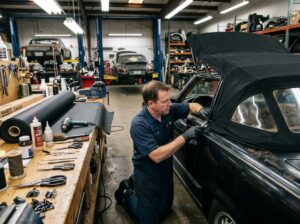
Minor tears, small punctures, loose seam stitching, early-stage water leaking around the rear window channel, frame misalignment, and latch adjustment issues can all be professionally repaired without replacing the entire top. The critical principle is to address these immediately — a small repair done promptly costs a fraction of what a neglected issue eventually requires. ASC’s convertible top repair service covers frame and motor repairs, electrical issues, frame and latch adjustment, rear window resealing, and fabric patching — with ICBC claims accepted for damage resulting from covered incidents.
When full replacement makes more sense
Widespread fabric cracking, multiple seam failures, persistent water infiltration that cannot be resolved through seal replacement, significant shrinkage or distortion over the frame, or fabric that is structurally compromised from UV degradation are all indicators that a full top replacement will deliver better long-term value than continued repair. When that point arrives, material choice matters significantly. ASC installs replacement tops from Gahh, Robbins, and Kee Auto Top Manufacturers — the same premium suppliers used by OEM manufacturers — ensuring a replacement that fits correctly, performs as expected, and delivers the durability that a well-maintained original should have provided.
Combining top work with interior upgrades
A convertible top replacement or major repair appointment is a natural opportunity to address interior work while the vehicle is in the workshop. If your convertible’s cabin upholstery has deteriorated alongside the top, combining a replacement with a custom leather interior upgrade delivers a fully refreshed vehicle in a single visit. Our trim and upholstery team works alongside ASC’s convertible top specialists to coordinate projects spanning both areas, minimizing shop time and maximizing the coherence of the finished result.
The Simple Routine That Makes All the Difference
Convertible top maintenance does not require specialist equipment or professional knowledge for the day-to-day care routine. Wash in the shade with approved products, apply protectant after every cleaning, care for the rear window with the right tools, watch the top operate every time you use it, and address anything unusual immediately. That routine — applied consistently — is the difference between a soft top that looks and performs well for many years and one that requires early replacement.
When something does need professional attention — a frame adjustment, a weather seal replacement, a repair, or a full new top — our team at ASC has been handling convertible tops since 1955, with the expertise, the supplier relationships, and the craftsmanship to return your convertible to the condition it deserves. Visit our convertible tops service page for full details on repairs, replacements, and ICBC claims, or contact our team directly to discuss your vehicle’s specific needs.