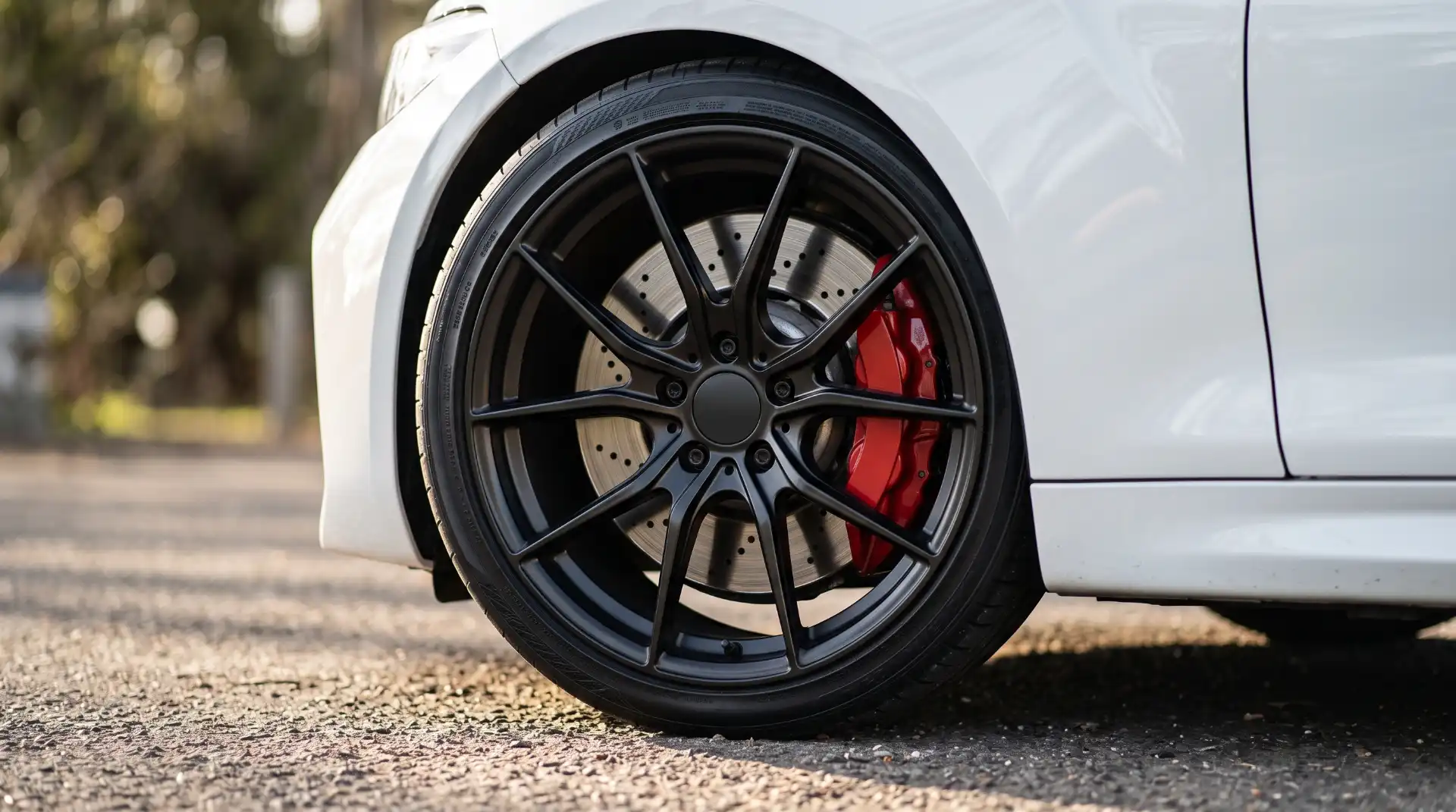
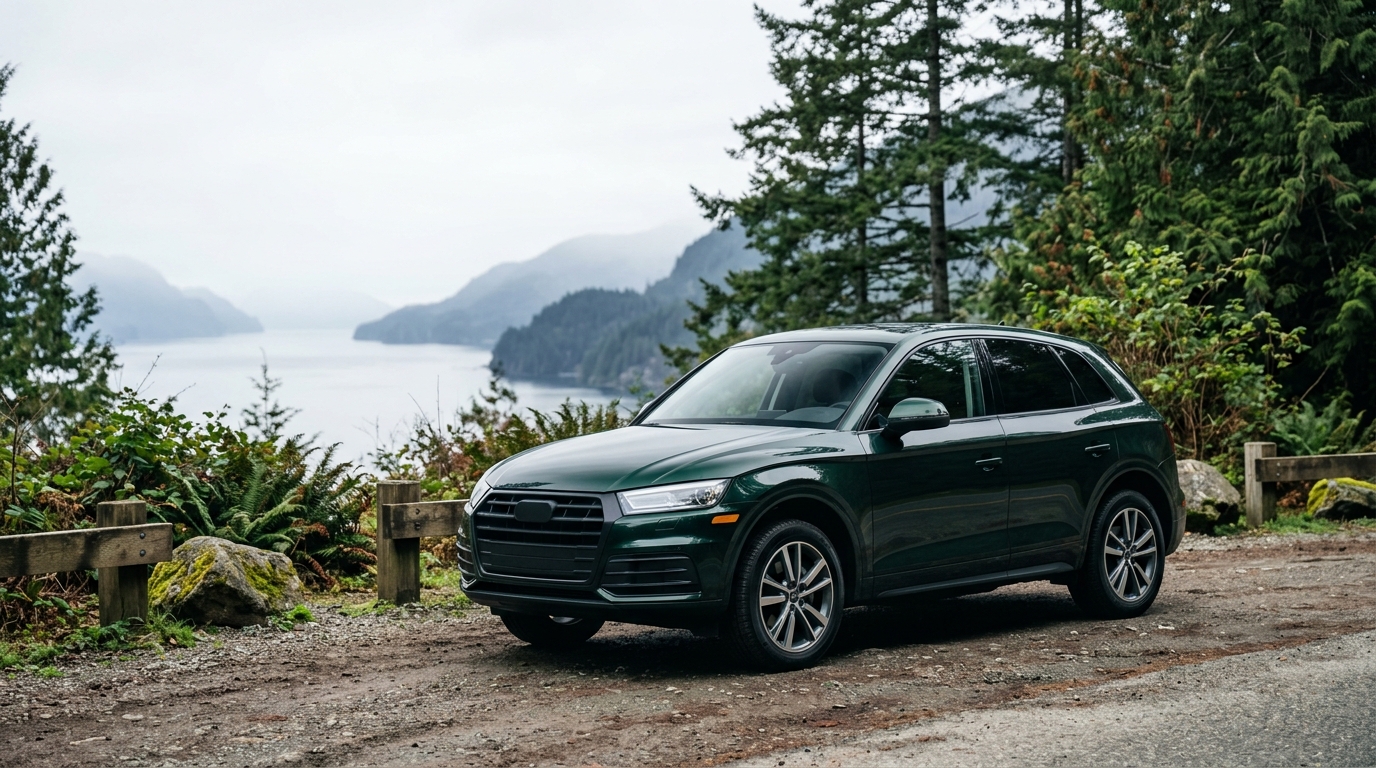
Overland-inspired styling does not have to mean turning an SUV or pickup into a mechanical off-road project. For many B.C. drivers, it is a practical way to prepare a vehicle for highway travel, rainy weather, gravel approaches, weekend trips, and the everyday wear that comes with an active lifestyle. The most effective plan is purposeful and vehicle-specific. It protects vulnerable surfaces, improves comfort and appearance, and respects the rules that apply on public roads.
The best approach starts with the way you actually use the vehicle. A daily-driven SUV that occasionally visits trailheads has different needs from a work truck that sees gravel roads or a family pickup used for camping weekends. Rather than adding every adventure-themed accessory at once, build a cohesive styling plan around the surfaces, visibility, comfort, and maintenance issues that matter most to you.
Build an overland-ready styling plan
Overland styling is an appearance and protection direction, not a promise of mechanical capability. A well-planned project can include paint protection, a subtle wrap or finish change, compliant window film, carefully considered lighting or accessories, and interior materials that are easier to live with after wet or dusty outings. It should not imply that a vehicle has been converted for technical off-road use.
The category remains relevant because truck and SUV owners still value practical personalization. A recent SEMA overland market overview describes a mature enthusiast space with continued manufacturer attention, even after the rapid pandemic-era growth cooled. That makes a phased, problem-solving approach more useful than a trend-led shopping list.
Start with the use case
List the conditions your vehicle meets most often. Highway debris, wet coastal roads, gravel parking areas, ski trips, pets, children, and frequent loading can all influence the order of upgrades. Then identify the finish you want to preserve or create. A restrained project often looks more intentional and stays easier to maintain than an exterior overloaded with unrelated treatments.
ASC’s guide to custom vehicle accessories is a useful starting point for matching style changes to everyday comfort and function. Bring reference images to a consultation, but let the vehicle’s condition, trim, and daily use guide the final scope.
Protect exterior surfaces for B.C. driving
Outdoor-focused vehicles encounter more than mud. Their paint may face grit, road salt, wet foliage, insects, UV exposure, construction debris, and contact around cargo areas. Start with an honest inspection of the finish. Existing chips, failing clear coat, corrosion, and previous repairs should be assessed before a wrap, paint protection film, or coating is considered.
Match coverage to exposure
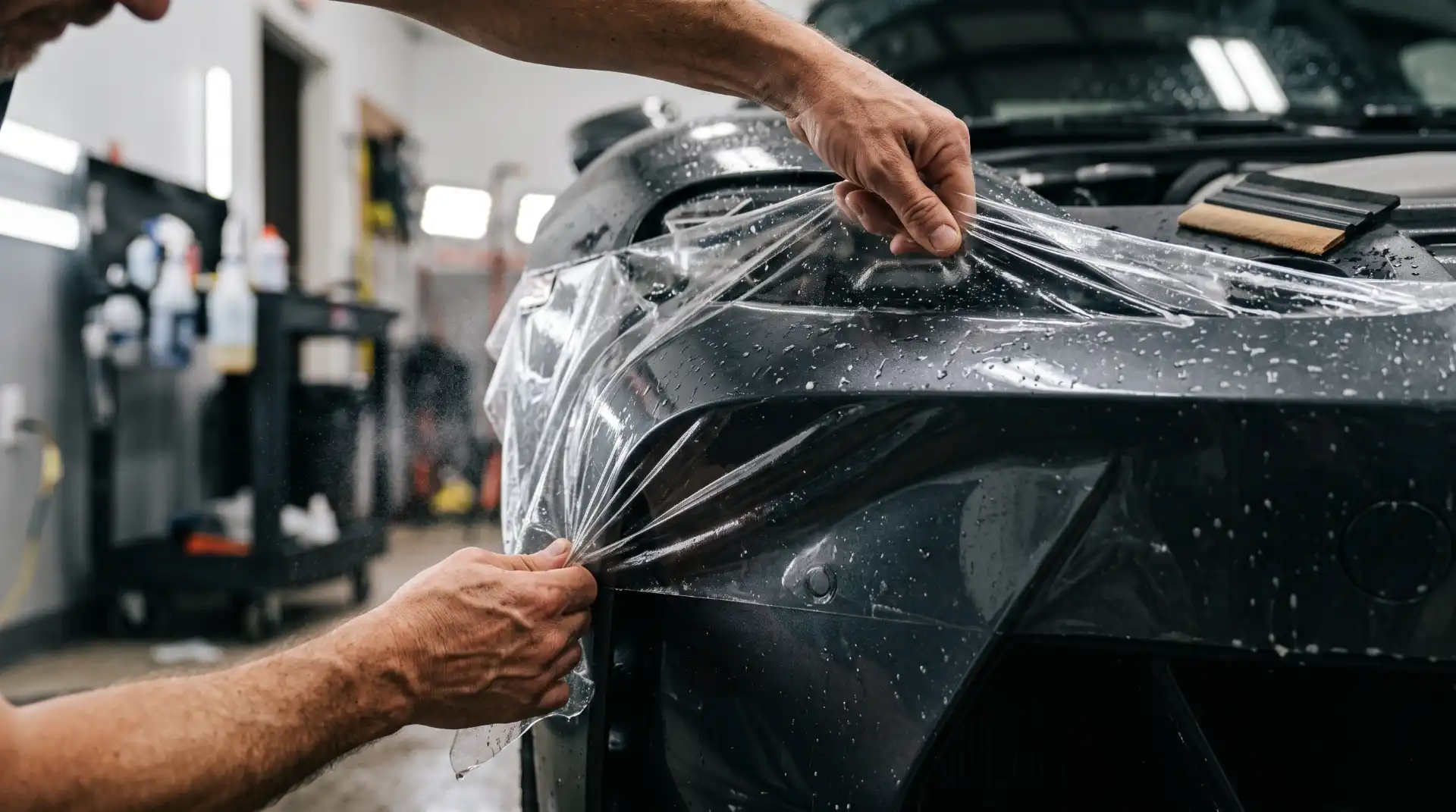
Paint protection film can be worth considering for panels that take the most direct impact, such as the bumper, hood, mirrors, lower doors, rocker panels, and sections near a pickup bed. Ceramic coating can support routine cleaning and water behaviour but does not replace film where the main concern is stone impacts. ASC’s current comparison of paint protection film and ceramic coating explains how the two approaches address different threats.
A vinyl wrap is a separate choice that can refresh the vehicle’s look, create a more subdued or adventure-inspired colour direction, and provide a sacrificial visual layer. It is not a substitute for purpose-built impact protection. Discuss the intended coverage, material availability, finish, care requirements, and paint condition before deciding. The goal is a solution that suits your driving exposure without overstating what any material can prevent.
Plan window tint within B.C. rules
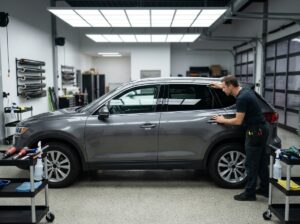
Window film can improve privacy, manage glare, and give a truck or SUV a more cohesive appearance. In B.C., the location of the film matters. Section 7.05 of the Motor Vehicle Act Regulations restricts material that reduces light transmission to the upper 75 mm of the windshield, side windows behind the driver, or the rear window when the vehicle has outside rear-view mirrors on both sides. Read the official B.C. window and windshield regulation before making a final decision.
That rule means an overland look should not rely on darkened front side windows. A professional discussion can help you plan a legally appropriate result around the vehicle’s existing glass, rear privacy needs, and available film options. ASC’s article on B.C. window tint planning offers additional context, but owners should always confirm their own proposed installation against current official requirements. This is general information, not legal advice.
Choose lighting and accessories with restraint
Lighting should improve the vehicle’s usability and visual balance, not create a distracting or non-compliant street setup. Start with the original lighting condition, the way you drive at night, and whether the vehicle needs a clean exterior refresh rather than a complex auxiliary-light installation. Mounting position, wiring, weather exposure, and beam control deserve as much attention as the look of the hardware.
Check highway requirements first
B.C. rules require lamps and illuminating devices on a highway to be authorized, properly mounted, and maintained. The regulations also state that off-road lamps must be concealed with opaque covers when the vehicle is on a highway. Review the official B.C. lamp and lighting requirements before committing to a lighting concept. Discuss whether a requested item is appropriate for your vehicle and intended use rather than assuming that an online accessory is street-ready.
Upgrade the cabin for regular use
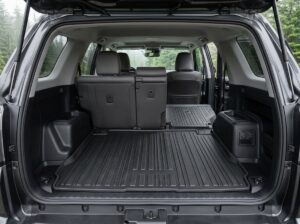 A durable interior is often the part of an overland-inspired project you notice most often. Prioritize surfaces that meet wet jackets, muddy footwear, pets, groceries, sports equipment, and daily passengers. Easy-to-clean floor protection, thoughtful upholstery or trim choices, and organized cargo areas can make the cabin feel more considered without changing the vehicle’s basic purpose.
Keep the finish coordinated
Choose a limited colour palette and materials that complement the original cabin. A darker, practical accent may work well with factory plastic trim and a neutral exterior finish, while contrast stitching or selected trim panels can add personality without making the interior feel overbuilt. Ask about material suitability, cleaning routines, and safe fitment before choosing any new interior element.
Detailing also matters. A clean, protected cabin makes it easier to see which upgrades genuinely add value. Use washable materials where exposure is highest and avoid choices that demand more upkeep than your routine allows.
Create a staged plan with ASC
One of the best ways to manage an overland SUV or truck styling project is to phase it. Begin with exterior assessment and high-exposure protection, then address compliant tint and the cabin. Add lighting or other accessories only after reviewing vehicle compatibility, intended use, and applicable highway requirements. This sequence keeps the project focused and helps prevent an unnecessary accessory from complicating a more important protection or comfort decision.
Book an ASC consultation to discuss your SUV or truck, where it travels, the look you prefer, and the work you want to prioritize. The team can help you assess applicable protection, tint, accessory, and interior-styling options for the vehicle you own. Confirm availability, compatibility, and final scope before booking any installation.