Why Custom Wheels Are a Popular Upgrade in 2026
Custom wheels are one of the most effective ways to transform the appearance of a vehicle without changing the vehicle itself. Whether you drive a sporty sedan, a luxury coupe, a family SUV, an American muscle car, or a full-size pickup truck, the right set of aftermarket wheels can create a more distinctive look and help the vehicle reflect your personal style.
In 2026, drivers have more choices than ever when it comes to wheel designs, finishes, construction methods, and sizes. Multi-spoke patterns, split-spoke designs, mesh wheels, bronze finishes, satin black, gunmetal, and machined surfaces offer different ways to customize a vehicle. At the same time, buyers are paying greater attention to wheel weight, tire compatibility, brake clearance, and everyday driving comfort.
However, choosing custom wheels involves much more than finding an attractive design online. The wrong wheel size, offset, bolt pattern, or load rating can cause serious fitment problems. A wheel that looks excellent in a photograph may not clear the suspension, fit the vehicle’s hub, or support the vehicle’s weight.
For American drivers, the smartest approach is to combine appearance with practicality. Your ideal wheels should complement your vehicle, fit its specifications, suit your driving conditions, and remain manageable to maintain. This guide explains the leading wheel styles, popular finishes, construction options, fitment measurements, costs, and installation considerations to help you make an informed decision.
The Biggest Custom Wheel Trends in 2026
Wheel trends often reflect broader changes in automotive styling. As vehicles develop sharper body lines, larger brake systems, and more distinctive exterior details, aftermarket wheel designs evolve to complement those features.
While no single design suits every vehicle, several styles remain attractive to drivers who want to modernize their cars, trucks, and SUVs.
Multi-Spoke Wheels for a Modern Performance Appearance
Multi-spoke wheels feature numerous spokes extending from the center toward the outer rim. Their detailed design can give a vehicle a technical, performance-inspired appearance without making the exterior look excessively modified.
These wheels are particularly appealing on modern sports sedans, luxury vehicles, and performance coupes. Depending on the spoke thickness and finish, a multi-spoke design can look understated and elegant or aggressive and motorsport-inspired.
Drivers should consider both appearance and maintenance. Wheels with narrow spaces between the spokes may require additional effort to clean, especially when brake dust accumulates. Before choosing a design, consider whether you are comfortable maintaining its finish throughout the year.
Split-Spoke Wheels for a Sporty Look
Split-spoke wheels divide individual spokes into two branches, creating a layered appearance that emphasizes the wheel’s shape. This design works well with angular bodywork and modern exterior styling.
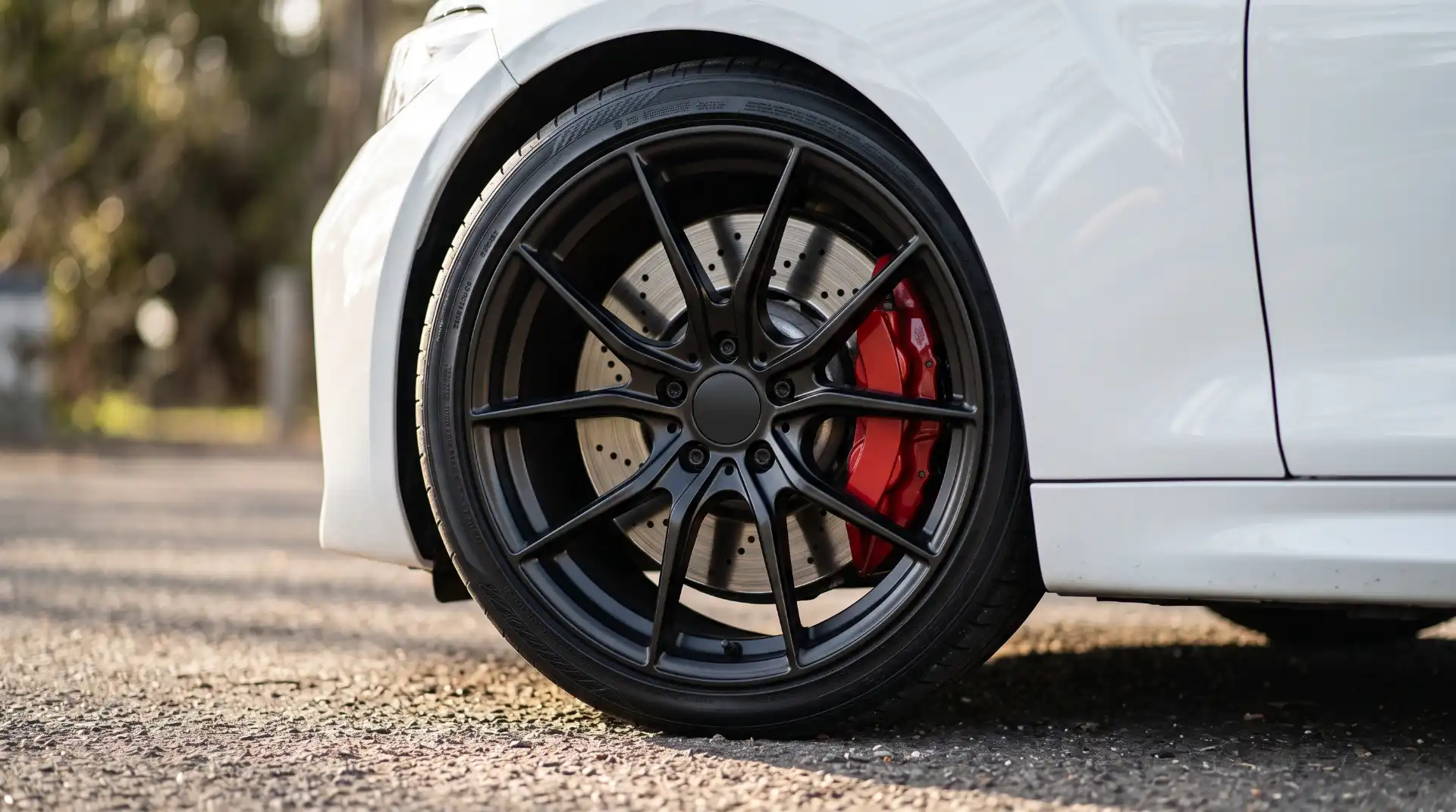
Black split-spoke wheels can create a dramatic appearance on white, silver, and gray vehicles, while machined surfaces provide contrast that highlights the spoke geometry. Bronze and gunmetal versions offer a different character for drivers who prefer a distinctive finish.
The number of spokes alone does not determine a wheel’s strength or weight. Manufacturing methods, material quality, dimensions, and engineering all influence performance. If you are choosing wheels for spirited driving, compare the actual specifications instead of assuming that a particular design is inherently better.
Mesh Wheels for Classic Automotive Styling
Mesh wheels use a network of intersecting spokes to create a detailed, intricate pattern. They are a strong option for enthusiasts who appreciate classic performance styling and want to give a modern vehicle a more traditional appearance.
A silver mesh wheel can create a clean, understated look, while bronze or gloss black gives the same design a more contemporary feel. Mesh patterns can complement sports coupes, modified sedans, and vehicles built around a subtle enthusiast aesthetic.
The key is proportion. A wheel should suit the vehicle’s body lines and wheel arches rather than dominate the entire design. Consider the diameter, spoke depth, finish, and tire sidewall together before deciding whether a mesh design is right for your vehicle.
Bronze, Satin Black, and Gunmetal Finishes
Wheel color has a significant influence on the overall appearance of a customized vehicle. Bronze remains an appealing option for owners who want something different from traditional silver or black, particularly when paired with white, gray, black, or blue paint.
Satin black offers a restrained appearance with less reflection than gloss black. It works well on modern SUVs, sports sedans, and trucks with dark exterior trim. Gloss black, by comparison, creates a deeper reflective finish that can make the wheels stand out under bright lighting.
Gunmetal and silver provide versatile alternatives. Gunmetal adds contrast without being as visually strong as black, while silver can preserve a more factory-inspired appearance.
The finish should also suit your maintenance habits. Gloss surfaces may reveal fine swirl marks, while specialty finishes can require specific cleaning products. Before purchasing, confirm the manufacturer’s cleaning recommendations and warranty conditions.
Larger Wheels and Low-Profile Tires
Larger-diameter wheels can fill the wheel arches more completely and create a sportier stance. Many drivers consider an upgrade from the original wheel size when refreshing a vehicle’s appearance.
However, a larger wheel often requires a tire with a shorter sidewall to keep the overall tire diameter within an appropriate range. Shorter sidewalls can change steering response and reduce the amount of cushioning between the wheel and road surface.
That trade-off matters on American roads, where potholes, expansion joints, rough pavement, and winter damage can be common. A large wheel with a very low-profile tire may look impressive, but it can increase the risk of wheel damage or a tire pinch injury after a hard impact.
The best wheel size is not necessarily the largest one that fits. Choose a setup that balances appearance, tire availability, comfort, and the conditions in which you drive.
How to Choose the Right Finish for Your Vehicle
The best finish should complement the vehicle’s paint color, exterior trim, and overall styling. It should also fit your expectations for cleaning and long-term appearance.
Before making a purchase, consider the complete vehicle rather than evaluating the wheel by itself. A finish that looks striking on a dark sports coupe may create a different effect on a white family SUV or a red performance car.
Gloss Black vs. Satin Black
Gloss black wheels have a reflective surface that can make a vehicle look sleek and aggressive. They pair naturally with dark trim, black grilles, and modern body styling.
Satin black creates a softer finish that absorbs more light and produces fewer reflections. It is a good choice for drivers who want a clean, contemporary appearance without the highly polished look of gloss black.
Both finishes need appropriate care. Brake dust, road salt, and accumulated grime can affect their appearance, and aggressive cleaners may damage certain coatings. Use products suitable for the specific finish and avoid abrasive tools.
Bronze and Gold Wheels
Bronze wheels can add warmth and contrast to a vehicle’s exterior. Dark bronze is often relatively subtle, while lighter bronze and gold-toned finishes create a more noticeable visual statement.
These finishes can work particularly well on gray, white, black, and selected blue vehicles. To create a coordinated appearance, consider whether the wheel color complements the brake calipers, mirror caps, exterior trim, and other accessories.
It is worth viewing a physical sample if possible. Lighting conditions can make the same bronze finish appear darker or more golden depending on whether the vehicle is indoors, in direct sunlight, or in shade.
Silver, Gunmetal, and Machined Finishes
Silver wheels are a practical option for drivers who want a timeless appearance. They work with a broad range of paint colors and can preserve the visual character of a vehicle while updating its stance.
Gunmetal provides a darker alternative that complements contemporary styling. Machined finishes combine polished metal surfaces with painted areas to emphasize the wheel’s geometry.
When choosing a specialty finish, ask about its resistance to corrosion and the recommended maintenance routine. Winter road salt and harsh cleaning products can be particularly challenging for wheels that have damaged clear coats or exposed metal surfaces.
Understanding Wheel Fitment Before You Buy
Wheel fitment is one of the most important parts of an aftermarket upgrade. A wheel may match your preferred style and diameter but still be incompatible with your vehicle because of its width, offset, bolt pattern, center bore, or load capacity.
Always verify the specifications for your exact year, make, model, and trim. Vehicles that look almost identical may use different brake packages, hubs, or suspension configurations.
Wheel Diameter and Width
Wheel diameter refers to the size of the wheel measured across its bead-seat area, expressed in inches. Wheel width describes the distance between the surfaces where the tire beads sit.
Both measurements influence tire compatibility and available clearance. A wheel that is too wide may bring the tire too close to suspension components or the fender. An unsuitable diameter can create brake clearance problems or make it difficult to find a compatible tire.
Suppose you want to upgrade from a 17-inch factory wheel to an 18-inch aftermarket design. You must select a tire that fits the new wheel and maintains an appropriate overall diameter for your vehicle. Simply choosing a larger rim without checking the tire specification can create problems with clearance, comfort, and vehicle-system accuracy.
Bolt Pattern and Center Bore
The bolt pattern describes the number of wheel mounting holes and the diameter of the circle they form. A designation such as 5×114.3 indicates five mounting holes arranged on a circle measuring 114.3 millimeters in diameter.
The pattern must match the vehicle’s hub specifications. Never force a wheel with an incompatible bolt pattern into place or use unsuitable fasteners to compensate for a mismatch.
The center bore is the opening in the middle of the wheel that fits over the vehicle’s hub. Some aftermarket wheels have a larger center bore and may use correctly specified hub-centric rings where the wheel and vehicle manufacturers permit them.
Matching the bolt pattern alone does not guarantee proper fitment. The wheel’s mounting face, center bore, fastener seat, and brake clearance must all be suitable for the vehicle.
Understanding Wheel Offset
Offset describes the position of the wheel’s mounting surface relative to its centerline. It is measured in millimeters and influences how far the wheel sits inward or outward within the wheel arch.
Positive offset places the mounting surface toward the wheel’s outer face, while negative offset places it toward the inner side. Changing the offset can affect clearance around the suspension, brakes, fenders, and tire.
A wheel with a more aggressive outward position may create a wider stance, but pushing it too far can cause tire rubbing or excessive tire protrusion beyond the bodywork. It can also affect steering behavior and place additional demands on certain components, depending on the setup.
Do not select offset based solely on photographs of other vehicles. Ask an experienced installer to check the wheel dimensions, tire size, suspension configuration, and available clearance before ordering.
Brake and Suspension Clearance
Modern vehicles may have large brake calipers, complex suspension components, and limited space inside the wheel arches. The wheel must clear these parts throughout normal steering and suspension movement.
This is especially important for high-performance trims with larger brakes. A wheel that fits a base model may not clear the brake assembly on a more powerful version of the same vehicle.
Suspension modifications can also change fitment requirements. If your vehicle has been lowered or fitted with aftermarket components, tell the installer before ordering wheels. A setup that appears to fit while the vehicle is stationary may still rub when the steering is turned or the suspension compresses.
Tire Compatibility and Overall Diameter
Wheel and tire selection should be treated as one decision. The tire must be approved for the wheel’s width, support the vehicle’s load requirements, and provide suitable overall diameter and clearance.
Changing the overall tire diameter can affect speedometer accuracy, gearing, and the behavior of vehicle systems. All-wheel-drive vehicles may also have specific requirements for keeping tire circumference consistent across the wheels.
Before buying, compare the original tire specification with the proposed replacement. For additional guidance on wheel-and-tire sizing, consult Tire Rack’s guide to plus-size wheels and tires.
Cast, Flow-Formed, and Forged Wheels: Which Construction Is Best?
Wheel construction affects cost, weight, design options, and suitability for different driving conditions. Three common categories in the aftermarket are cast alloy, flow-formed, and forged wheels.
Cast Alloy Wheels
Cast wheels are manufactured by pouring molten metal into a mold. The process supports a wide range of designs and price points, making cast alloy wheels a popular option for everyday drivers who want to personalize their vehicles.
They can be an excellent choice for a street-driven sedan, crossover, or pickup when the wheels meet the vehicle’s specifications. However, quality varies between manufacturers and individual products. Buyers should check the wheel’s load rating, published specifications, warranty, and intended application instead of assuming every cast wheel is equally durable.
Flow-Formed Wheels
Flow-forming combines an initial wheel-forming process with mechanical shaping of the barrel under pressure. Depending on the design, this process can produce a wheel with different material characteristics from a conventional cast wheel.
Flow-formed wheels are often considered by drivers who want a balance between weight, performance, and cost. They may be a suitable upgrade for a performance sedan or sports coupe, but the construction method alone does not establish whether a particular wheel is appropriate.
Compare actual wheel weights, load ratings, and manufacturer documentation. A lighter wheel can be beneficial in some applications, but it should never come at the expense of proper fitment or suitability for the vehicle’s intended use.
Forged Wheels
Forged wheels are formed from solid metal stock under high pressure and then machined into the final design. They are commonly associated with premium vehicles and performance-focused builds because carefully engineered forged designs can offer a favorable strength-to-weight balance.
These wheels generally cost more than many cast alternatives, especially when buyers choose custom dimensions, specialty finishes, or bespoke designs. They may make sense for a high-performance vehicle where weight and specific engineering requirements are important.
For a typical daily driver, a properly specified cast or flow-formed wheel may be the more economical option. The right choice depends on the vehicle, budget, driving environment, and actual product specifications rather than the prestige of a construction label.
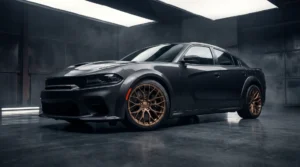
Choosing Custom Wheels for Different Vehicles
The best wheel setup depends on the type of vehicle and how it is used. A sports car driven on winding roads has different requirements from a pickup used for towing or an SUV driven over rough terrain.
Sedans and Daily Commuters
For a daily driver, prioritize comfort, tire availability, durability, and practical maintenance. A modest increase in wheel diameter can refresh the vehicle’s appearance without requiring an extremely low-profile tire.
Silver, gunmetal, satin black, and restrained multi-spoke designs can complement many sedans. If your commute involves potholes or poorly maintained pavement, retaining a reasonable amount of tire sidewall may be more beneficial than selecting the largest available wheel.
Think about replacement costs as well. Common wheel and tire sizes may provide more purchasing options when a tire needs replacement after a puncture or road impact.
Sports Cars and Performance Vehicles
Sports-car owners often prioritize appearance, wheel weight, brake clearance, and handling characteristics. Split-spoke and multi-spoke designs can complement performance-oriented bodywork, while carefully selected lightweight wheels may support the vehicle’s intended use.
However, a larger wheel does not automatically improve performance. A heavier wheel-and-tire combination can increase unsprung mass and influence ride and handling. A lower-profile tire can also be less forgiving on rough roads.
For occasional track use, confirm that the wheels and tires are suitable for the intended conditions and meet any event requirements. For everyday street driving, durability, wet-weather performance, and comfort remain important considerations.
SUVs and Pickup Trucks
SUVs and pickup trucks need wheels that are appropriate for their weight and intended use. Owners may prefer machined finishes, black multi-spoke designs, or bronze wheels paired with all-terrain tires for a more rugged appearance.
Before purchasing aftermarket wheels, verify the load rating for the specific vehicle and application. A wheel that is visually compatible may still be unsuitable for a heavy truck, especially if the vehicle is used for towing or hauling.
Changes in wheel and tire size can also affect braking, acceleration, steering, and fuel economy. For off-road use, make sure the tires are suitable for the terrain and that the complete setup provides adequate clearance during suspension travel.
Avoid assuming that an aggressive stance automatically improves capability. The right wheel-and-tire combination should support the vehicle’s intended work, recreational use, or daily commute.
Electric Vehicles
Electric vehicles require the same careful fitment checks as conventional cars, with additional attention to vehicle weight, tire specifications, and efficiency.
Some EVs use wheel designs intended to reduce aerodynamic drag. Replacing them with a different design may change efficiency, while heavier wheels can affect the energy needed to accelerate the vehicle.
Check the manufacturer’s wheel and tire recommendations, load capacity, brake clearance, and compatibility with the exact model. A visually appealing wheel is not necessarily the best choice if it compromises range, comfort, or suitability for the vehicle.
How Much Do Custom Wheels Cost in 2026?
The total cost of a custom wheel upgrade depends on wheel construction, diameter, finish, brand, vehicle requirements, and whether you need new tires or additional hardware.
A budget-friendly cast wheel package can be appropriate for a daily driver, while premium forged wheels can represent a substantially larger investment. Specialty finishes, custom dimensions, and limited-availability designs may also increase the price.
The advertised wheel price rarely tells the whole story. A complete installation may require tires, mounting and balancing, TPMS sensors, compatible lug nuts or bolts, hub-centric rings where appropriate, and additional fitment work.
Compare the Complete Installed Cost
Request an itemized estimate showing the exact wheel model, diameter, width, offset, bolt pattern, center bore, and load rating. Ask whether the quoted price includes mounting, balancing, sensor service, installation, and any necessary hardware.
It is also worth confirming whether the selected tires are included and whether their specifications are suitable for the vehicle. A low-priced wheel package may become less attractive when the cost of compatible tires and additional components is added.
Warranty coverage should be considered as well. Ask how the manufacturer handles structural defects, finish problems, and damage, and whether the warranty has restrictions relating to road use or installation.
Where to Spend Your Budget
If your budget is limited, spend time verifying compatibility before paying extra for a premium finish. A well-fitted wheel with appropriate load capacity is a better starting point than an expensive wheel that does not suit your vehicle.
You may be able to achieve a major visual improvement with a different finish or spoke design without moving to an unusually large diameter. That approach can preserve more tire sidewall and help manage the overall cost.
Before committing to a complete set, consider the cost of replacement tires and the availability of individual replacement wheels. This is especially useful if you drive regularly on rough roads or expect to keep the vehicle for several years.
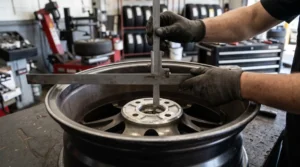
Installation and Maintenance Tips for Custom Wheels
Correct installation helps ensure that the wheels sit properly on the hubs and that the tires are mounted safely. Maintenance also helps preserve the finish and makes it easier to identify potential problems.
Use the Correct Wheel Fasteners
Wheel nuts and bolts are not universal. Their shape and seating design must match the wheel, and the fasteners must meet the vehicle manufacturer’s requirements.
Incorrect fasteners can prevent proper seating and create a safety risk. Have the installer verify the correct hardware and tighten it to the specified torque using an appropriate tool.
After installation, follow the vehicle and wheel manufacturers’ guidance on inspection and retightening, if applicable. If you experience unusual vibration, noise, or changes in steering behavior after a wheel upgrade, arrange an inspection promptly.
Check Tire Pressure and TPMS
Some aftermarket wheel installations require the original tire pressure monitoring system (TPMS) sensors to be transferred. Others may need compatible replacement sensors or programming.
Confirm that the system operates correctly after installation. Use the appropriate tire pressure specification for the vehicle and tire combination rather than estimating pressure based on how the tire looks.
Incorrect pressure can affect handling, tire wear, comfort, and load capacity. Regular checks are especially important when temperatures change significantly between seasons.
Clean Wheels Without Damaging the Finish
Brake dust and road grime can accumulate quickly, particularly on vehicles driven in city traffic. Regular cleaning helps maintain the finish and allows you to inspect the wheel surface for damage.
Use a wheel cleaner approved for the specific finish and soft brushes or microfiber tools. Avoid harsh chemicals and abrasive materials unless the manufacturer specifically permits them.
Drivers in regions that use road salt during winter should wash the wheels regularly to remove accumulated residue. If the finish becomes chipped or damaged, follow the manufacturer’s advice rather than applying an unapproved repair product.
Inspect for Damage and Uneven Tire Wear
Potholes and curb impacts can damage a wheel even when the problem is not immediately visible. Inspect the wheels and tires periodically for cracks, bends, cuts, bulges, and uneven tread wear.
Uneven tire wear may indicate incorrect pressure, alignment problems, suspension issues, or a fitment concern. A professional inspection can help identify the cause before it creates more serious damage.
Do not continue using a wheel that appears cracked or structurally compromised. Have it assessed by a qualified professional and replace it when necessary.
Visualize Your Custom Wheel Design Before Buying
One challenge with aftermarket wheels is imagining how a particular design will look on your actual vehicle. A wheel that looks perfect in a product photograph may appear too dark, too large, or too aggressive when installed.
Digital visualization tools can help drivers compare designs before committing to a purchase. ASC Automotive Styling explores this approach in its article about AR-assisted vehicle customization and visual previews. These tools can help you explore different finishes and wheel styles while considering how they complement your vehicle’s overall appearance.
A digital preview is a styling aid, not a fitment guarantee. It may not account for the exact wheel offset, brake clearance, tire dimensions, or suspension travel. Always verify those specifications separately before ordering.
Build a Consistent Exterior Style
Think about the entire vehicle when choosing wheels. Bronze wheels might complement a restrained body wrap, while satin black wheels can coordinate with dark exterior trim and a black grille. Silver wheels may suit a cleaner, factory-inspired design.
If you plan to make several modifications, decide on a consistent color palette before buying individual components. The relationship between wheel color, paint, trim, and body proportions often makes a greater difference than choosing the most expensive wheel available.
For more inspiration, see ASC Automotive Styling’s guide to the top car customization trends. It provides additional ideas for combining wheels with other exterior upgrades.
Legal and Safety Considerations for US Drivers
Aftermarket wheels must be appropriate for the vehicle and comply with applicable regulations. Depending on the setup, modifications can affect tire coverage, vehicle height, steering behavior, braking, and clearance around suspension components.
Some states and local jurisdictions have requirements concerning tires that extend beyond the vehicle’s bodywork, mudguard coverage, or other aspects of vehicle equipment. Check the rules applicable where your vehicle is registered and driven, especially if you are planning an aggressive offset or a substantial suspension modification.
Safety should remain the priority throughout the installation. Do not use wheels with insufficient load capacity, incorrect mounting specifications, or inadequate clearance. Changes to wheel and tire dimensions should also be evaluated for their potential effects on vehicle systems and tire compatibility.
For general tire safety and maintenance guidance, review the National Highway Traffic Safety Administration’s tire safety resources. This is a useful authoritative reference for drivers who want to understand tire condition, maintenance, and road safety.
Final Thoughts: Choosing the Best Custom Wheels and Rims in 2026
Custom wheels and rims provide an opportunity to personalize your vehicle while balancing appearance, comfort, and everyday usability. Multi-spoke designs, split-spoke patterns, mesh wheels, bronze finishes, satin black, and machined surfaces offer plenty of options for American drivers in 2026.
The most important decision, however, is not simply choosing the design that looks best. Wheel diameter, width, bolt pattern, offset, center bore, load rating, tire compatibility, and brake clearance all need to be considered before purchasing a set.
Daily commuters should prioritize practical tire sizing, comfort, and replacement costs. Sports-car owners may place greater emphasis on weight, brake clearance, and handling, while truck and SUV drivers should pay particular attention to load capacity and the demands of their intended use.
Before placing an order, verify the exact specifications for your vehicle and request a complete installed-cost estimate. An experienced installer can help identify potential clearance issues and ensure that the wheels, tires, and mounting hardware are compatible.
For more automotive customization inspiration, visit ASC Automotive Styling. With the right combination of design, fitment, and professional installation, custom wheels can give your vehicle a distinctive appearance without sacrificing the practical considerations that matter on the road.
Frequently Asked Questions
1. What custom wheel styles are trending in 2026?
Multi-spoke, split-spoke, and mesh designs remain popular choices, along with bronze, satin black, gunmetal, gloss black, and machined finishes. The best style depends on your vehicle’s design, intended use, and personal preferences.
2. Are bigger wheels better for your car?
Not necessarily. Larger wheels can create a sportier appearance, but they often require shorter tire sidewalls that provide less cushioning over potholes. They can also increase costs and affect comfort, depending on the wheel-and-tire combination.
3. How do I know which rims fit my vehicle?
Check the wheel diameter, width, bolt pattern, offset, center bore, load rating, and brake clearance against the specifications for your exact vehicle. Confirm tire compatibility as well, and consult a qualified installer if any measurements are uncertain.
4. Are forged wheels worth the extra cost?
Forged wheels can offer a favorable strength-to-weight balance when properly engineered, making them attractive for some performance applications. However, a well-specified cast or flow-formed wheel may offer better value for everyday driving.
5. Do custom wheels affect fuel economy or electric vehicle range?
They can. Wheel weight, tire width, rolling resistance, and aerodynamic design may affect efficiency. The actual impact depends on the original setup and the replacement wheel-and-tire combination.
6. Do aftermarket rims require new TPMS sensors?
Not always. Compatible original sensors may be transferable, but some installations require replacement sensors or programming. Confirm compatibility with your installer and make sure the system works correctly after installation.
7. Can custom wheels cause suspension problems?
An unsuitable wheel-and-tire setup can create clearance problems and affect handling or component wear. Incorrect offset, excessive weight, and incompatible tire dimensions can contribute to these issues, so verified fitment is essential.
8. Are custom wheels legal in every US state?
Requirements vary by state and locality. Some setups may be restricted because of tire protrusion, vehicle height, or other equipment requirements. Check the regulations applicable to your vehicle before installing a substantially altered setup.
9. What is the best wheel finish for a daily driver?
Silver, gunmetal, and other neutral finishes are versatile choices for daily drivers. Satin black and bronze can also work well, but the best option depends on your vehicle’s paint color, cleaning preferences, and the finish’s maintenance requirements.
10. Should I replace my tires when upgrading my wheels?
Not necessarily, but your tires must be compatible with the new wheel diameter and width. If the original tires are unsuitable for the new wheels, you will need an appropriate replacement size with the correct load and speed ratings.