The Sunroof Question Every Car Owner Eventually Asks
There is a specific kind of envy that happens at a red light. The car beside you has a sweeping panoramic glass roof, flooding the cabin with light, and your solid metal roof suddenly feels heavier than it ever did before. Whether you are driving a vehicle that simply did not come with a sunroof option, one that offered it only on a higher trim level you did not choose, or a vehicle you love in every other respect but wish had more sky, the question eventually surfaces: can you add one?
The answer is yes — but the path you take matters enormously, and the two main routes available in 2026 lead to meaningfully different outcomes. Factory panoramic sunroofs, where they exist as an option, represent one approach. Professional aftermarket sunroof installation represents the other. Both have genuine advantages, real limitations, and cost profiles that look very different from each other.
This guide breaks down everything you need to know to make the right decision for your specific vehicle, budget, and expectations — including which option delivers the better long-term value and why professional installation quality is the single most important variable in the aftermarket route.
What Is a Panoramic Sunroof and Why Is It So Popular?
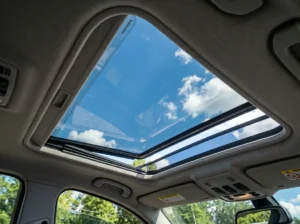
A panoramic sunroof is a large glass roof panel — or series of panels — that spans a significant portion of the vehicle’s roofline, typically covering both the front and rear passenger areas. Unlike a standard sunroof, which is a relatively compact opening over the front seats, a panoramic system transforms the roof experience for all occupants. The cabin feels dramatically larger, brighter, and more connected to the outside environment.
According to data cited in AAA’s guide to sunroof pros and cons, nearly half of new vehicle shoppers in North America list a sunroof or moonroof as a desirable feature — and the panoramic version has driven much of that demand, particularly in the SUV and crossover segments where rear-seat passenger comfort is a priority.
Factory panoramic sunroofs: the appeal and the limitations
A factory panoramic sunroof is designed into the vehicle from the ground up. The roof structure, drainage channels, headliner, and interior trim are all engineered around the glass panel, which means the integration is seamless, the sealing is precise, and the system operates exactly as the manufacturer intended. For vehicles that offer this as a standard or optional feature, the factory route is the most straightforward path to a panoramic experience.
The limitation is availability. Not every vehicle offers a panoramic option. Some offer it only on top-tier trims that come with significant additional cost. And for anyone who already owns a vehicle they want to keep — rather than trading up for one with a panoramic roof — the factory option is simply not on the table. This is where aftermarket installation becomes the relevant conversation.
Types of Aftermarket Sunroofs Explained
The aftermarket sunroof category is broader than many drivers realize, and the right choice depends on the vehicle’s roof architecture, the level of functionality you want, and your budget. ASC, as Canada’s second-largest Webasto sunroof installer, offers multiple system types to match the full range of customer requirements.
Inbuilt sunroofs
An inbuilt sunroof — also known as a pop-down or retractable sunroof — is the most versatile and commonly installed aftermarket system. The glass panel slides fully open by retracting between the vehicle’s metal roof and the headliner, completely disappearing from view when open. Inbuilt systems are available in basic models with simple open/close/vent controls and full-feature models with express one-touch close, automatic closing on rain detection, and programmable positioning. This type is compatible with the widest range of vehicles and delivers the cleanest, most integrated appearance of any aftermarket option.
Tilt-and-slide sunroofs
A tilt-and-slide system operates above the roofline rather than below it — when opened, the glass panel rises and slides rearward over the exterior of the roof rather than into the headliner space. This design requires less interior clearance than an inbuilt system and is well-suited to vehicles with minimal space between the metal roof and headliner. Above-roof operation allows for a larger glass opening in some configurations, and the panel can be held at any venting angle for customized airflow without fully opening the roof.
Panoramic aftermarket systems
For drivers specifically seeking the panoramic aesthetic through the aftermarket route, larger-format glass panels that cover a greater portion of the roof are available through Webasto’s North American programs. These systems deliver much of the visual and cabin-atmosphere benefit of a factory panoramic roof through a professional retrofit, subject to the specific roof architecture of the vehicle being modified. Your installer can confirm which system size and type is compatible with your vehicle and what the finished result will look like.
Symcom vinyl tops as an alternative consideration
For drivers of classic or vintage vehicles who want a roof treatment that enhances the exterior without structural modification, it is worth noting that ASC also offers Symcom vinyl tops — a restyling option that adds visual distinction to the roofline without cutting. While this does not provide the open-air functionality of a sunroof, it is a relevant alternative for vehicles where sunroof installation is not structurally advisable.
Cost Breakdown: Factory Panoramic vs. Aftermarket
Cost is one of the most significant factors in this decision, and the numbers look quite different depending on which route you take.
Factory panoramic sunroof cost
When a panoramic sunroof is offered as a factory option, it typically adds between $1,500 and $3,500 to the vehicle’s purchase price, depending on the brand and the complexity of the system. On luxury vehicles, it may be bundled into a package that costs even more. Importantly, this cost is embedded in the vehicle’s financed price, meaning it also attracts interest over the loan term. And if you are considering a vehicle that only offers panoramic on a higher trim level, the true cost of upgrading to that trim for the roof alone may be substantially higher than the stated option price.
Aftermarket sunroof installation cost
Professional aftermarket sunroof installation through a reputable specialist represents a strong value proposition when compared on a per-feature basis. Pop-up and spoiler-style systems typically range from $400 to $900 installed. Inbuilt tilt-and-slide systems range from approximately $1,500 to $3,000. Larger panoramic-style aftermarket systems sit at the higher end of that range or above, depending on system complexity and vehicle type. These figures align with industry pricing reviewed by cost analysts and confirmed in multiple 2025 market surveys.
Critically, the aftermarket cost is a standalone investment in a vehicle you already own and have already financed — there is no interest being paid on the upgrade, and the improvement adds tangible value to a vehicle whose other qualities you already know and trust.
Long-term cost considerations
Both factory and aftermarket sunroofs require periodic maintenance — specifically, keeping drainage channels clear to prevent water from backing up into the headliner. This is a simple annual task rather than a significant expense. Glass replacement for either system — whether due to impact damage or stress fracture — represents the largest potential ongoing cost and is typically handled through comprehensive insurance coverage. Webasto aftermarket systems carry a three-year/36,000-kilometer parts and labor warranty on select series, with lifetime parts coverage on registered systems, providing meaningful long-term confidence.
Pros and Cons: A Direct Comparison
With the fundamentals established, here is an honest assessment of where each option leads and where each falls short.
Factory panoramic sunroof
Advantages: Factory integration is seamless — no cutting, no aftermarket hardware, and the system is designed specifically for the vehicle. Warranty coverage is typically comprehensive. The panoramic format covers the full cabin for all passengers.
Disadvantages: Only available on select vehicles and trim levels. The size and weight of a panoramic glass panel — typically adding close to 90 kilograms at roof height — raises the vehicle’s center of gravity and can modestly affect handling and fuel efficiency. Headroom may be slightly reduced by the mechanisms required for the sliding panel. Shattering failures, while statistically rare, have been documented on factory panoramic systems across multiple manufacturers due to thermal stress and manufacturing variance.
Aftermarket sunroof installation
Advantages: Available for almost any vehicle, regardless of whether a factory sunroof option exists. Adds open-air functionality and natural light to a vehicle you already own. OEM-quality systems from Webasto meet the same standards as factory installations. Professional installation by a certified specialist — such as ASC — includes a full workmanship warranty alongside the manufacturer’s parts warranty.
Disadvantages: Requires physical modification to the vehicle’s roof, which is irreversible. The panoramic format is more limited through the aftermarket route — a large single-panel inbuilt system delivers significant visual and functional benefit, but it does not typically span the full front-to-rear roof coverage of a factory panoramic design. Quality is entirely dependent on the installer — which is precisely why choosing a certified, experienced professional matters so much.
The Installation Process: What to Expect
Understanding what happens during a professional aftermarket sunroof installation demystifies the process and helps set realistic expectations about timing and preparation.
Vehicle assessment and system selection
A qualified installer begins by assessing the vehicle’s roof architecture — the space between the metal roof and the headliner, the location of roof crossmembers, and the structural geometry of the area where the opening will be created. This assessment determines which system type and size is compatible and where it can be positioned to maximize glass area while preserving structural integrity.
The installation itself
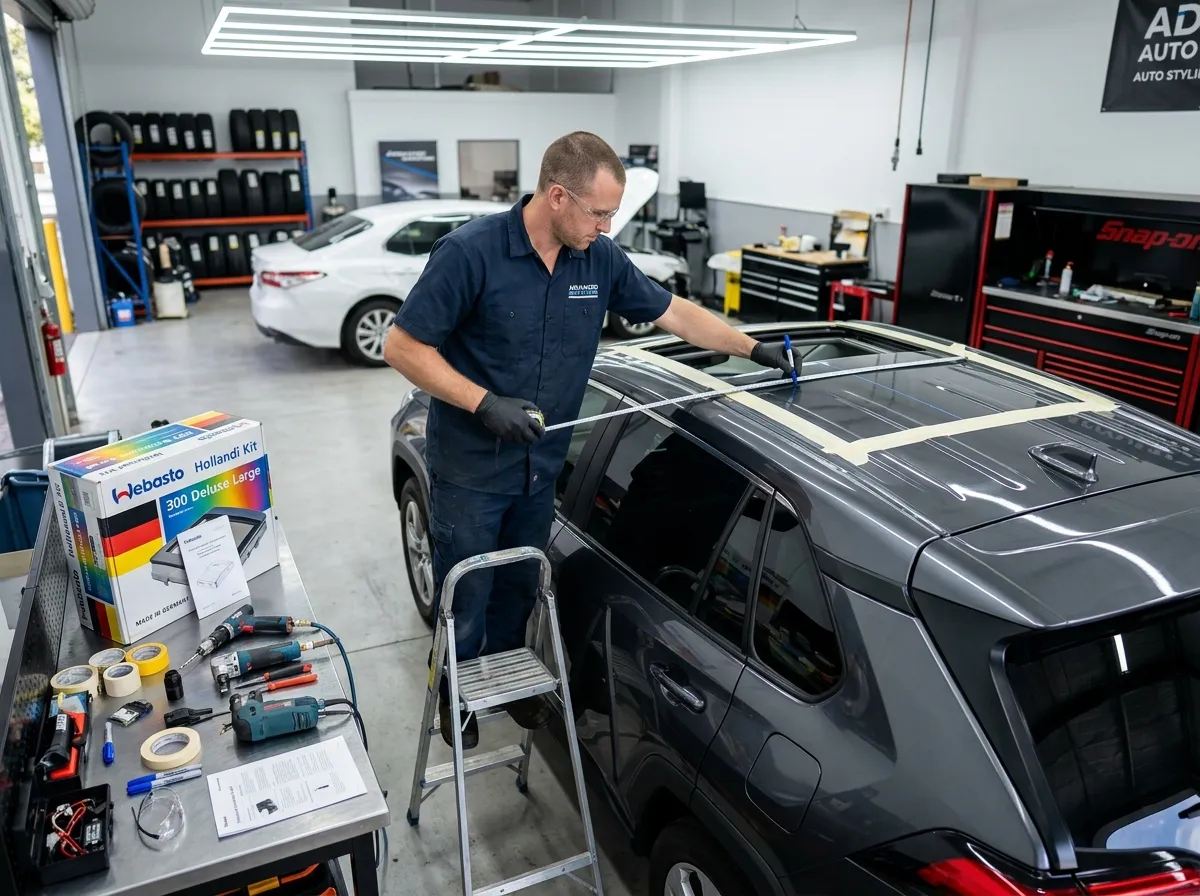
On the day of installation, the headliner is carefully removed to provide access to the roof interior. The opening is precisely measured, marked, and cut using templates specific to the chosen system. The frame is fitted, sealed, and secured; drainage tubes are routed to the vehicle’s existing drain points; and the glass panel and mechanism are installed and tested. The headliner is then refitted with any necessary modifications to accommodate the new frame profile. A same-day installation is standard for most inbuilt systems — most professional installs are completed in four to six hours.
Post-installation checks
A thorough installation includes a leak test, an operational check of all functions, and a review of the drainage system with the customer. Before leaving the shop, you should be familiar with how to operate every function of your new system and understand the simple annual maintenance steps — primarily keeping drain channels clear — that will protect the installation for the long term. If you are also considering other roof-related upgrades at the same time, our post on panoramic roof wraps and the glass roof visual effect is worth reading alongside this guide — the two options can complement each other when planned together.
Making the Right Choice for Your Vehicle
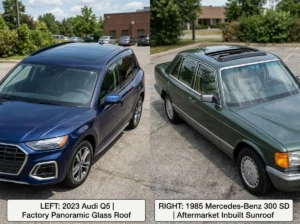
The decision between a factory panoramic sunroof and a professionally installed aftermarket system ultimately comes down to three questions: what vehicle do you drive, what experience are you seeking, and what budget are you working with?
When the factory route makes sense
If you are in the market for a new vehicle and a panoramic roof is on your list, choosing a model that offers it from the factory is the simplest and most integrated approach. The cabin atmosphere delivered by a full front-to-rear glass panel is genuinely distinctive, and the seamless OEM integration is hard to replicate through any other means.
When aftermarket installation is the stronger choice
If you already own a vehicle you love and want to add open-air functionality without trading it in, a professional aftermarket sunroof installation from a certified specialist delivers a result that will satisfy that desire effectively, durably, and at a cost that makes strong financial sense relative to the alternative of purchasing a new vehicle.
ASC has been installing Webasto sunroofs as Canada’s second-largest certified installer for decades, with factory-trained technicians, full OEM-quality standards, and a track record across a wide range of vehicles from everyday sedans and SUVs to trucks and luxury models. For drivers who also want to enhance seat comfort while their vehicle is in the shop, our seat comfort upgrade service covers heated, ventilated, and ergonomic options that pair naturally with a sunroof installation. And for those wanting to understand all their roof styling options before deciding, our guide to professional versus DIY window treatments provides useful context on the broader value of professional installation across automotive upgrades.
Ready to explore which sunroof system is right for your vehicle? Visit ASC’s sunroof installation page for full details on every Webasto system we install, or contact our team directly to discuss your vehicle and your options.