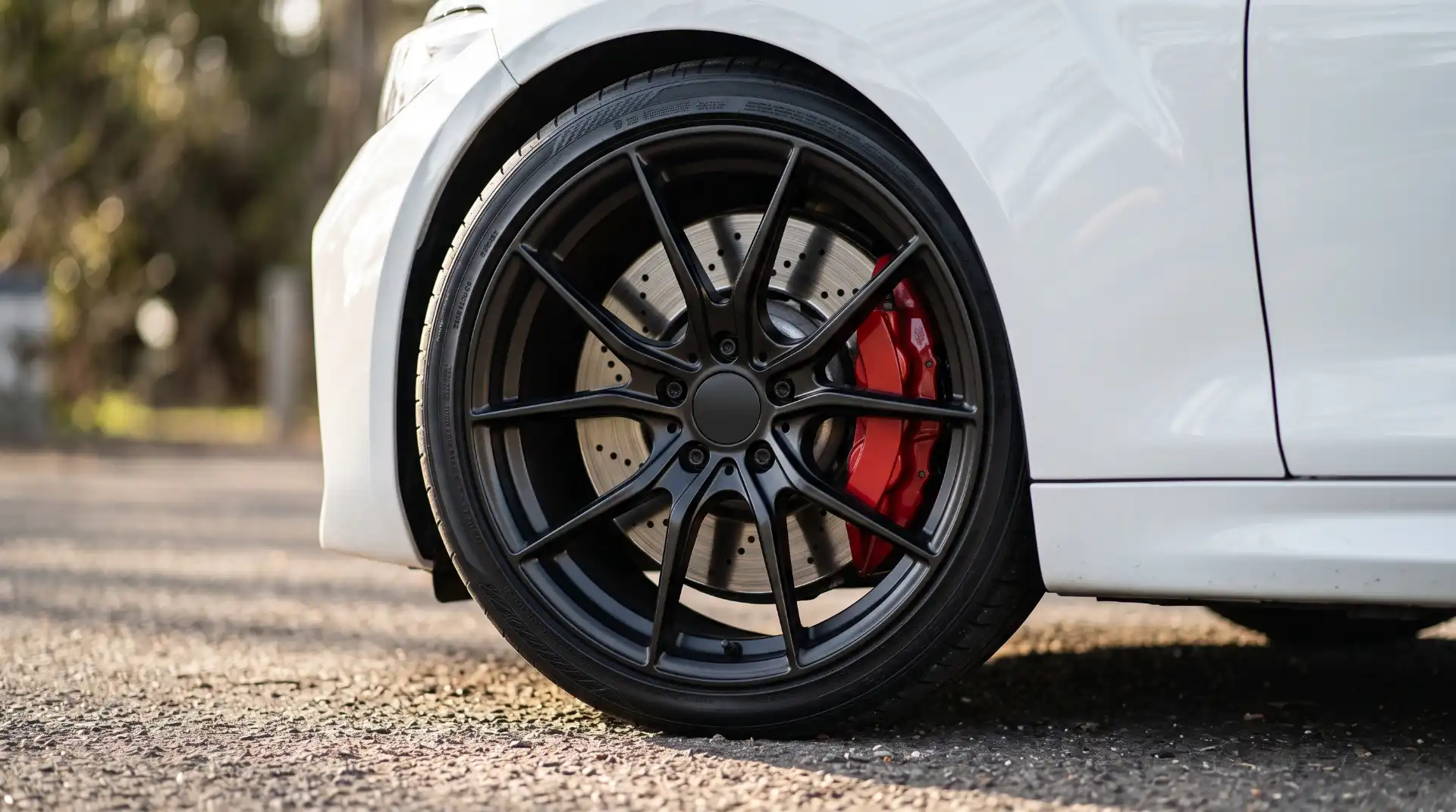
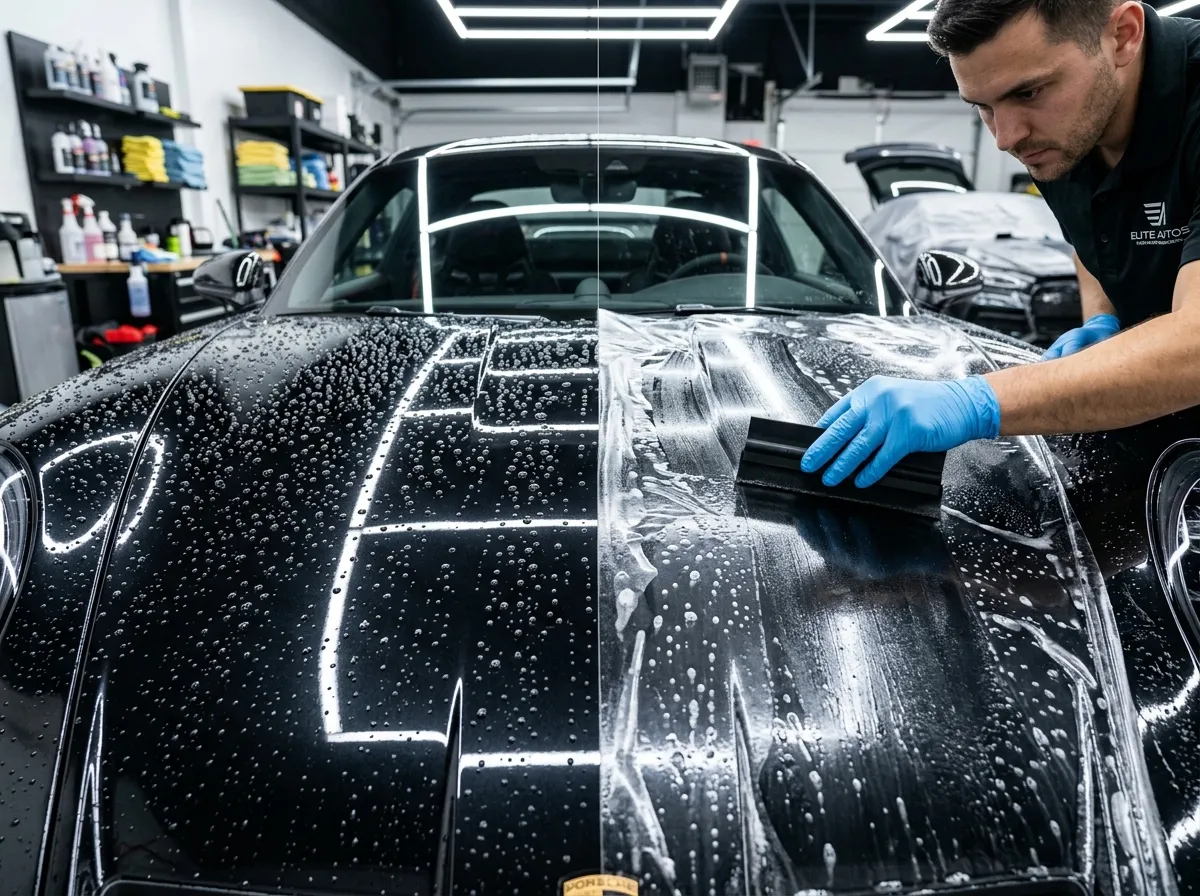
Two Products, One Goal — But They Work Very Differently
Walk into any auto styling discussion in 2026 and two products dominate the paint protection conversation: ceramic coating and Paint Protection Film, almost universally known as PPF. Both are presented as the best way to preserve your vehicle’s finish. Both attract enthusiastic advocates. And both are genuinely excellent at what they do — which is precisely where the confusion starts, because what each one does is fundamentally different from the other.
Ceramic coating is a chemical barrier. PPF is a physical one. Ceramic coating bonds to your paint at a molecular level and creates a hard, hydrophobic surface layer that repels water, contaminants, and UV radiation. PPF is a transparent thermoplastic urethane film applied over your paint that absorbs physical impacts — rock chips, scratches, road debris — before they can reach the surface beneath. As Auto Cosmetics’ detailed PPF and ceramic coating guide notes, comparing them as an either/or choice largely misses the point — they protect against entirely different threats.
But for most drivers working with a real-world budget and specific concerns about their vehicle, the practical question remains: which one should you choose, and why? This guide gives you the honest, complete answer — and explains the scenario where both together delivers the best outcome of all.
What Is Ceramic Coating?
Ceramic coating is a liquid polymer — typically silicon dioxide (SiO2) based — that is applied to a vehicle’s painted surface and cured to form a chemically bonded protective layer. Unlike wax or sealant, which sit on top of the paint and eventually wash or wear away, ceramic coating forms a semi-permanent bond with the clear coat, creating a surface that does not degrade with washing or mild weathering.
What ceramic coating protects against
The ceramic layer’s primary strengths are hydrophobicity, UV resistance, and chemical resistance. Water and water-borne contaminants — road spray, bird droppings, tree sap, mineral deposits from rain — bead up and roll off the surface rather than bonding to it and etching the clear coat over time. UV radiation that gradually oxidizes and fades unprotected paint is significantly blocked. Airborne chemical fallout — industrial pollution, road salts, insect acids — finds it much harder to penetrate and stain a ceramic-coated surface. The coating also enhances optical depth and gloss, giving the paint a richer, more saturated appearance that persists between washes.
What ceramic coating does not protect against
Ceramic coating cannot absorb physical impacts. A rock chip at highway speed, a scratch from road debris, a key drag across the door — none of these are mitigated by a ceramic coating, regardless of its hardness rating. The coating may reduce the severity of very light surface marring, but it provides no meaningful protection against the physical impacts that cause paint chips and deep scratches. If impact protection is your primary concern, ceramic coating alone is not the solution.
How long does ceramic coating last?
Professional-grade ceramic coatings applied and maintained correctly last between two and five years for standard formulations, with premium graphene-enhanced coatings extending that range to seven years or beyond. Consumer-grade spray coatings available for DIY application last considerably less — typically six to twelve months — and deliver a fraction of the protection depth and hardness of a professionally applied system. As covered in our comprehensive guide to ceramic coating for cars, the investment in professional application pays dividends in both durability and consistency of coverage across all panels.
What Is Paint Protection Film?
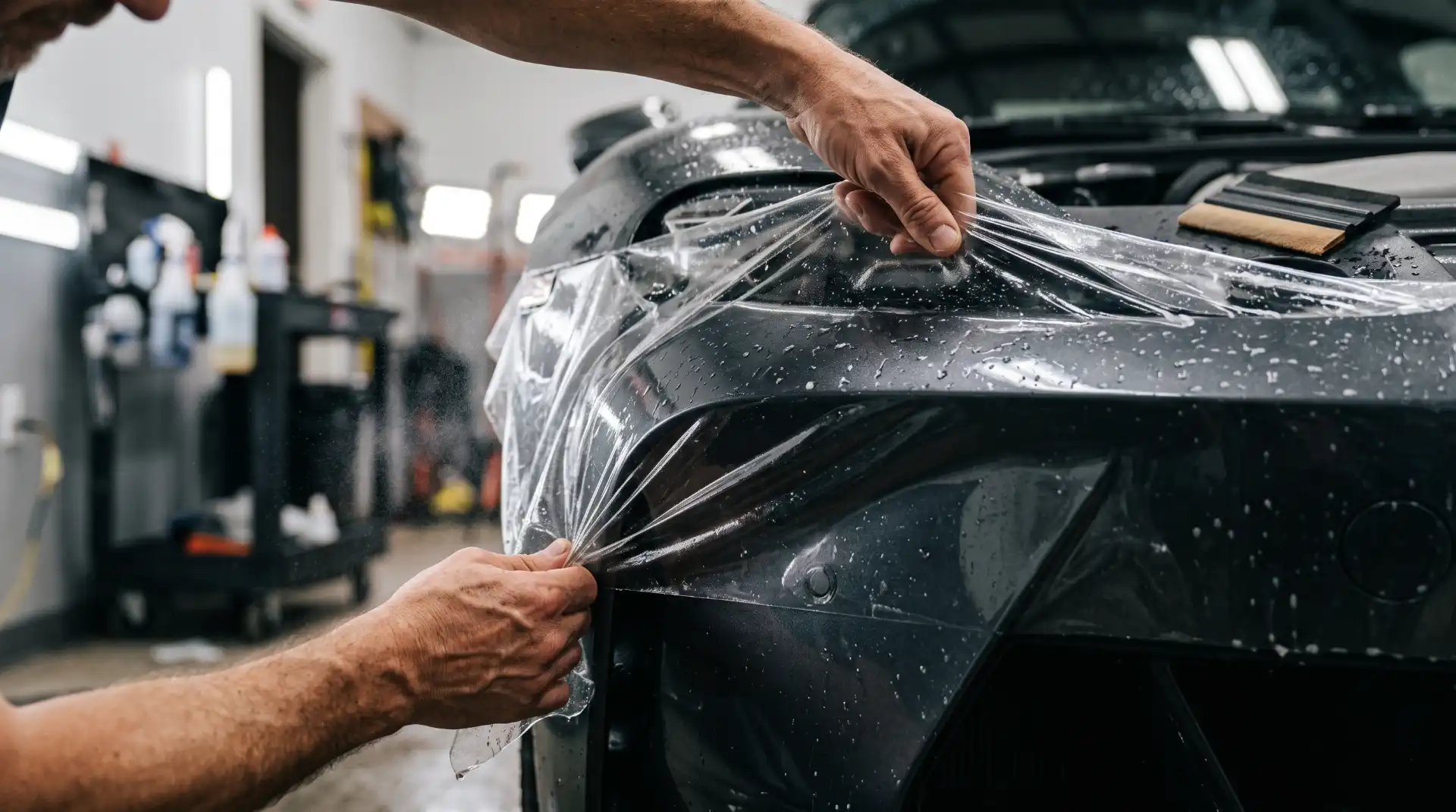
Paint Protection Film — PPF, or “clear bra” — is a transparent thermoplastic urethane film that is precisely cut and applied to a vehicle’s exterior panels. The film sits over the paint as a physical sacrificial layer: when a rock chip, road debris strike, or minor abrasion occurs, the film absorbs the damage instead of the paint beneath it. The paint surface underneath remains untouched.
What PPF protects against
PPF is the only solution available in the automotive protection category that reliably prevents rock chips and impact-related paint damage. Its thermoplastic urethane construction is engineered to absorb and distribute impact energy across a wider area, preventing the concentrated damage that creates paint chips. Premium PPF films also feature self-healing top coat layers: minor surface scratches and swirl marks disappear when exposed to heat — either sunlight or warm water — as the film’s elastomeric polymers return to their original form. PPF also blocks UV radiation and provides a degree of chemical resistance, making it a genuinely multi-functional protection layer rather than a pure impact shield.
What PPF does not do
On its own, PPF is not hydrophobic. Water and contaminants do not bead and roll off PPF the way they do off ceramic coating — the film’s surface absorbs and holds moisture unless a ceramic top coat is applied over it. PPF also does not enhance gloss or visual depth the way ceramic coating does; a correctly installed PPF is virtually invisible, which means it preserves the paint’s appearance without adding to it. And PPF represents a higher upfront investment than ceramic coating alone, particularly for full-vehicle coverage.
How long does PPF last?
Quality PPF from established brands typically lasts seven to ten years in real-world conditions. Premium films carry manufacturer warranties of up to ten years against yellowing, cracking, and delamination. The film is removable by a professional without damaging the paint beneath — a meaningful benefit for drivers who want to restore the vehicle to its original unmodified state, or who plan to sell the car and wish to reveal factory-fresh paint underneath.
Head-to-Head: How They Compare Across Key Factors
With both products clearly defined, a direct comparison across the factors that matter most to vehicle owners gives a clear picture of where each one leads.
Physical impact and scratch protection
PPF wins decisively. There is no ceramic coating that prevents rock chips. There is no ceramic coating with self-healing properties for physical scratches. If you regularly drive on highways with heavy truck traffic, gravel roads, or construction zones — or if you simply want the highest available protection for your paint against the realities of daily driving — PPF on the high-impact areas of your vehicle is the only solution that delivers meaningful protection against this category of damage.
Hydrophobicity and ease of maintenance
Ceramic coating wins. The hydrophobic properties of a quality ceramic coating are exceptional. Rain sheets off the surface, road grime bonds loosely and releases with minimal effort during washing, and the vehicle stays cleaner between washes. PPF alone offers no hydrophobic benefit — water behavior on bare PPF is similar to water behavior on unprotected clear coat. This is one of the primary reasons applying ceramic coating over PPF is so widely recommended: it adds the hydrophobic and gloss benefits that the film alone lacks.
Gloss and visual enhancement
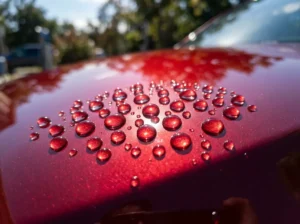
Ceramic coating wins. A ceramic coating adds depth, richness, and optical clarity to the paint finish that PPF does not contribute. If your primary goal includes making the vehicle look as visually striking as possible — deep gloss, saturated color, mirror-like reflections — ceramic coating is the product that delivers that outcome. For more on how professional paint protection and vehicle presentation work together, our guide to the benefits of professional vehicle wrapping covers the broader context of exterior finish protection and enhancement.
UV and chemical protection
Both perform well — PPF has a slight edge. Both products block UV radiation and resist chemical contamination effectively. PPF’s physical film layer provides a direct barrier between environmental contaminants and the paint surface that ceramic coating — a molecular-level bond rather than a film — does not fully replicate. In practice, both products perform well in this category for the majority of driving environments.
Longevity
PPF wins. A quality PPF installation lasts seven to ten years. Premium ceramic coating lasts two to five years for standard formulations. On a per-year basis, the cost difference between the two narrows considerably when longevity is factored into the calculation.
Cost
Ceramic coating is less expensive upfront. Professional ceramic coating typically ranges from $800 to $2,000 depending on vehicle size and coating grade. Full-vehicle PPF coverage ranges from $1,200 to $6,000 or more depending on coverage area, film grade, and vehicle complexity. Partial PPF coverage — hood, bumper, fenders, and mirrors only — reduces the investment significantly and targets the highest-impact areas where paint chip protection matters most.
Which One Is Right for You?
The right choice depends on how you drive, where you drive, and what aspects of your paint’s condition matter most to you.
Choose ceramic coating if
Your primary concerns are maintaining gloss, repelling water and environmental contaminants, reducing washing effort, and protecting against UV fading. Ceramic coating is the right choice for drivers who park predominantly in garages or covered spaces, drive primarily in urban environments with limited highway chip exposure, and want a lower-maintenance, visually enhanced finish without the higher upfront cost of full PPF coverage. Our detailed post on how to maintain your car’s paint protection coating covers exactly what that maintenance routine looks like and how to keep a ceramic coating performing at its best over its full lifespan.
Choose PPF if
Your primary concern is protecting against rock chips, road debris impacts, and physical scratches — particularly on the front end of the vehicle where impact exposure is highest. PPF is the right choice for drivers who regularly cover highway miles, drive in areas with gravel or loose road surfaces, own a vehicle with a paint color or finish that is particularly difficult or expensive to repair, or simply want maximum long-term paint preservation regardless of the upfront investment involved.
Choose partial PPF coverage as a middle ground
For drivers who want the physical protection of PPF where it matters most — the front bumper, hood, fenders, mirrors, and A-pillars — without the cost of full-vehicle film coverage, partial PPF on high-impact zones combined with ceramic coating over the entire vehicle delivers comprehensive protection at a more accessible price point. The PPF handles the physical threats at the front of the car; the ceramic coating handles the chemical, UV, and maintenance benefits across every surface.
The Winning Combination: Using Both Together
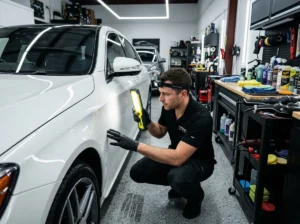
The most comprehensive paint protection setup available in 2026 uses both products in sequence: PPF applied first to high-impact or full-vehicle coverage areas, followed by ceramic coating applied over the entire vehicle — including over the PPF. This combination delivers every category of protection simultaneously.
Why the sequence matters
PPF must always be installed before ceramic coating — never the other way around. Ceramic coating creates a slick, hydrophobic surface that PPF film will not bond to properly. Installing PPF first and then applying ceramic coating over the top ensures that the film is securely adhered and the coating bonds correctly to the film’s surface, delivering maximum adhesion and longevity from both products.
What the combination delivers
The PPF provides its self-healing impact protection and UV barrier. The ceramic coating over the top of the PPF adds hydrophobic properties that the film alone lacks, improves optical clarity and gloss across the entire vehicle — including the filmed areas — and makes ongoing maintenance significantly easier. Every surface, whether covered by PPF or not, receives the benefit of the ceramic’s water-repelling and contamination-resistance properties. The result is the most visually impressive and physically protected finish achievable through any combination of products currently available in the automotive protection market.
Whether you are starting with a new vehicle you want to protect from day one, refreshing the finish on a car you have owned for years, or planning a full exterior transformation that incorporates both protection and visual enhancement, ASC’s team can guide you through the right combination for your specific vehicle, driving habits, and budget. For everything from paint protection planning to full exterior and interior styling, explore the range of services available at ASC Automotive Styling — or contact us directly to discuss your vehicle and the options available.